
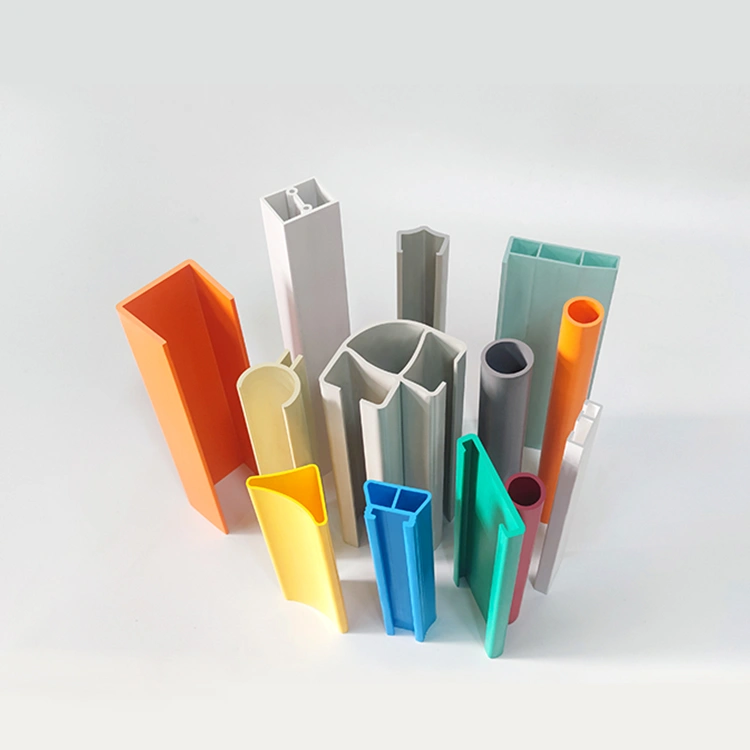
Plastic extrusion profiles are versatile components widely used in construction, industrial, and decorative applications. They provide durable, lightweight, and customizable solutions for edge protection, cable management, trims, and structural elements.
A Plastic Extrusion Profile is a continuous plastic component produced through extrusion technology. Unlike standard materials, plastic profiles offer resistance to corrosion, moisture, chemicals, and UV exposure, making them ideal for indoor and outdoor applications.
This guide covers the types of materials, common uses, and custom solutions for plastic extrusion profiles, helping professionals select the right profiles for their projects.
What Is a Plastic Extrusion Profile?
A Plastic Extrusion Profile is a shaped plastic section, typically produced from PVC, ABS, polypropylene, or other thermoplastics.
Key characteristics include:
- Continuous length with consistent dimensions
- Resistance to environmental damage and impact
- Customizable shapes, colors, and sizes for various applications
Plastic extrusion profiles are used in construction, furniture, electrical, industrial, and decorative applications for functionality and aesthetic enhancement.
Common Materials for Plastic Extrusion Profiles
Choosing the right material ensures durability, performance, and suitability for the intended environment.
PVC (Polyvinyl Chloride)
PVC is widely used due to:
- Corrosion and chemical resistance
- Durability and UV resistance
- Lightweight and easy to install
PVC profiles are ideal for construction trims, corner protection, and outdoor applications.
ABS (Acrylonitrile Butadiene Styrene)
ABS offers high impact resistance and rigidity, suitable for industrial or high-traffic applications.
- Durable in heavy-duty conditions
- Provides smooth and aesthetic finishes
- Compatible with mechanical installations
Polypropylene (PP)
PP provides chemical and moisture resistance, making it suitable for industrial and electrical applications.
- Flexible and lightweight
- Cost-effective for large-scale installations
- Resistant to moderate impacts
Specialty Plastic Blends
For specific performance needs, manufacturers may offer reinforced or flame-retardant plastics suitable for industrial or safety-critical projects.
Applications of Plastic Extrusion Profiles
Plastic extrusion profiles are highly versatile, with applications in multiple industries:
Construction and Architecture
Used for edge protection, trims, wall panels, and ceiling finishes to create durable and clean edges.
Electrical and Cable Management
Profiles act as channels, conduits, or protective covers for wiring, cables, or tubing in industrial and commercial settings.
Furniture and Interior Design
Used as trims, edge guards, and functional supports for cabinets, doors, partitions, and panels.
Industrial and Manufacturing
Plastic profiles can guide, protect, or hold components in machinery, conveyors, or assembly lines.
Transportation and Automotive
Profiles are applied for interior trims, seals, and protective edges in buses, trains, and industrial vehicles.
Benefits of Using Plastic Extrusion Profiles
Using Plastic Extrusion Profiles offers numerous advantages:
- Lightweight and easy to install
- Durable and resistant to corrosion, chemicals, and UV
- Cost-effective compared to metal alternatives
- Highly customizable in shape, size, and color
- Reduces maintenance and ensures long-term performance
Custom Solutions for Plastic Extrusion Profiles
Customization allows projects to meet precise functional and aesthetic requirements. Key options include:
Custom Shapes and Sizes
Profiles can be extruded in U, L, T, H, or completely custom cross-sections to suit specific project needs.
Material Enhancements
Profiles can include UV stabilizers, flame retardants, anti-static additives, or other performance-enhancing compounds.
Color Matching
Plastic extrusion profiles can be produced in custom colors to match project design and aesthetics.
OEM and ODM Options
Manufacturers can provide full OEM/ODM services, producing tailored profiles based on drawings, samples, or technical specifications.
Choosing the Right Plastic Extrusion Profile
When selecting a Plastic Extrusion Profile, consider the following:
- Application requirements: edge protection, cable management, or structural support
- Material properties: chemical resistance, UV stability, or impact strength
- Profile dimensions and shape: ensuring correct fit and functionality
- Customization options: for unique designs, lengths, or colors
- Manufacturer reliability: to ensure consistent quality and delivery
Plastic Extrusion Profiles from Dongguan Shangyu Plastic Hardware Products Company Limited
Dongguan Shangyu Plastic Hardware Products Company Limited specializes in high-quality Plastic Extrusion Profiles for construction, industrial, and decorative applications.
Our products offer:
- Durable and impact-resistant plastic materials
- UV, moisture, and corrosion-resistant options
- Customizable profiles in shapes, sizes, and colors
- Lightweight and easy installation for multiple project types
We support OEM and ODM orders to provide solutions tailored for projects worldwide.
👉 Explore our Plastic Extrusion Profile here:
https://www.shangyuplastic.com/product/plastic-extrusion-profile.html
👉 Contact us today for customized plastic extrusion profiles for your project.
FAQ
Q1: What is a plastic extrusion profile used for?
It is used for edge protection, cable management, trims, structural components, and decorative finishes.
Q2: Can plastic extrusion profiles be customized?
Yes, they can be tailored in shape, size, color, and material properties according to project requirements.
Q3: Are plastic extrusion profiles durable for outdoor use?
Yes, high-quality plastics with UV stabilizers and impact resistance are suitable for outdoor applications.
Q4: How are plastic extrusion profiles installed?
They can be cut, glued, drilled, or mechanically fastened depending on project needs, ensuring easy and efficient installation.
Q5: Which industries commonly use plastic extrusion profiles?
Construction, furniture, electrical, industrial manufacturing, and transportation industries commonly use plastic extrusion profiles.