
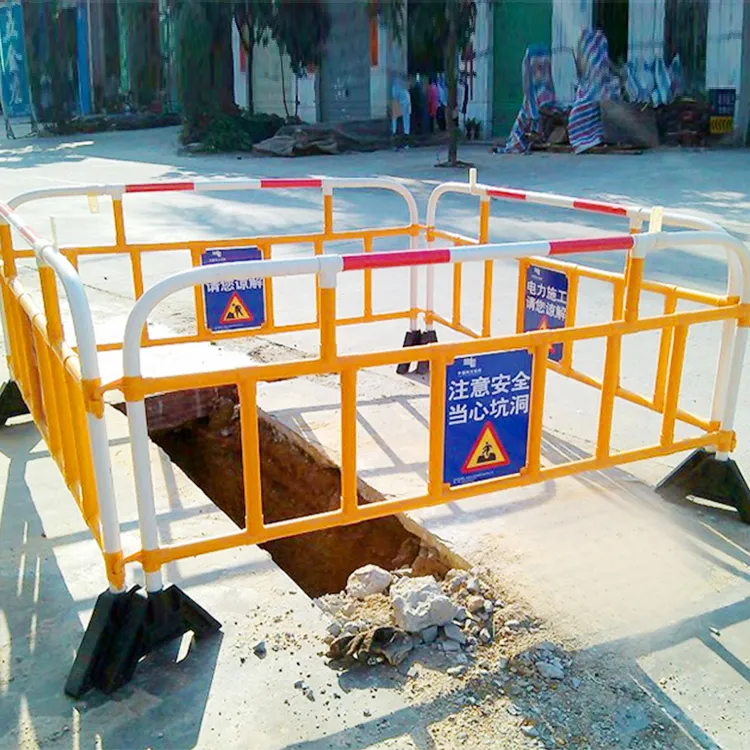
PVC barrier systems are widely used in modern safety management for traffic control, construction sites, industrial facilities, and public spaces. With growing demand for cost-effective, durable, and easy-to-install safety solutions, PVC barrier products have become a preferred alternative to traditional metal or concrete barriers. This comprehensive guide explains what a PVC barrier is, how it is used, how it is installed, and why it offers long-term benefits for safety-focused applications.
What Is a PVC Barrier and How It Works
A PVC barrier is a protective or guiding structure manufactured from polyvinyl chloride, designed to control movement, separate areas, or enhance safety in both temporary and permanent environments. Unlike heavy metal or concrete barriers, a PVC barrier provides physical separation while remaining lightweight and easy to handle.
PVC barrier systems are commonly modular, allowing individual units to be connected or repositioned as needed. This flexibility makes them ideal for applications where layouts change frequently or where rapid deployment is required.
Key Safety Advantages of PVC Barrier Systems
Safety is the primary function of a PVC barrier. One of its main advantages is impact absorption. PVC material can flex slightly under force, reducing damage to vehicles or equipment compared to rigid barriers. This characteristic helps minimize injury risk and property damage in low-speed impact scenarios.
PVC barriers are also electrically non-conductive, making them suitable for use near electrical installations or machinery. In addition, their corrosion resistance ensures consistent performance in outdoor environments exposed to rain, humidity, or chemicals.
Bright colors, reflective strips, and customized markings can be integrated into PVC barrier designs to improve visibility and enhance safety in low-light or high-traffic areas.
Common Applications of PVC Barrier
PVC barrier products are used across a wide range of industries and environments. In traffic management, they are commonly installed to guide vehicles, separate lanes, or protect pedestrians in parking areas and roadwork zones.
In construction sites, PVC barriers help define restricted areas, prevent unauthorized access, and maintain organized workflows. Industrial facilities use PVC barriers to separate production zones, protect equipment, and guide material handling routes.
Public venues such as airports, stadiums, shopping centers, and exhibition halls also rely on PVC barrier systems for crowd control and directional guidance.
Manufacturing Process and Material Performance
The performance of a PVC barrier depends largely on material formulation and extrusion quality. High-grade PVC resin combined with stabilizers and impact modifiers ensures strength, flexibility, and durability.
Dongguan Shangyu Plastic Hardware Products Company Limited manufactures PVC barrier products using advanced extrusion technology. Dual-screw extrusion machines allow direct processing from PVC powder, resulting in uniform material distribution and stable mechanical properties.
Shangyu can customize wall thickness, surface texture, color, and reinforcement structure to meet different load and safety requirements. This manufacturing flexibility enables PVC barrier products to adapt to various climates and operating conditions.
Step-by-Step PVC Barrier Installation Guide
Proper installation is essential to ensure the safety and stability of a PVC barrier system. Before installation, the ground surface should be leveled and cleared of debris. For permanent installations, anchoring points may be prepared in advance.
PVC barrier units are typically assembled by connecting modular sections using built-in joints or fasteners. For temporary use, barriers can be weighted with water or sand to increase stability without permanent fixtures.
Spacing and alignment should be carefully planned to ensure effective area separation and safe traffic flow. In outdoor installations, allowance should be made for temperature expansion to prevent deformation.
Maintenance and Long-Term Durability
One of the major benefits of PVC barrier systems is low maintenance. PVC does not rust, peel, or degrade easily when exposed to moisture or chemicals. Routine cleaning with water or mild detergent is usually sufficient to maintain appearance and functionality.
For outdoor applications, UV-resistant formulations help prevent discoloration and brittleness caused by prolonged sunlight exposure. Shangyu continuously improves material formulations to enhance aging resistance and long-term performance.
If a PVC barrier section is damaged, individual modules can be replaced without dismantling the entire system, reducing maintenance costs and downtime.
Environmental and Economic Benefits of PVC Barrier
PVC barrier products offer both environmental and economic advantages. Their lightweight design reduces transportation costs and carbon emissions compared to heavy alternatives. Long service life and recyclability contribute to sustainability goals.
From a cost perspective, PVC barriers provide a lower initial investment and reduced maintenance expenses. Their reusability makes them especially cost-effective for projects requiring frequent relocation or layout changes.
OEM production further enhances cost efficiency by allowing customers to specify only the features they need, avoiding unnecessary material or processing costs.
Customization and OEM Services from Shangyu
Customization is a key strength of PVC barrier manufacturing. Shangyu offers OEM and ODM services, developing PVC barrier products based on customer drawings, samples, or functional requirements.
Customization options include barrier height, profile structure, color, logo marking, and surface finish. Additional performance features such as flame retardancy, impact resistance, and weather resistance can also be incorporated.
With independent design, engineering, and quality control teams, Shangyu ensures that every PVC barrier product meets customer specifications and international quality standards.
Why Choose Shangyu as Your PVC Barrier Manufacturer
Dongguan Shangyu Plastic Hardware Products Company Limited is located in Dongguan City, Guangdong Province, a globally recognized manufacturing center with efficient logistics connections to Hong Kong and Guangzhou. This location supports fast production cycles and reliable international shipping.
With more than ten years of experience in PVC extrusion, Shangyu supplies PVC barrier products to customers in America, Japan, the European Union, and other global markets. The company combines stable quality, reasonable pricing, and responsive after-sales service to support long-term partnerships.
Conclusion
PVC barrier systems provide a reliable, flexible, and cost-effective solution for safety management across traffic, construction, industrial, and public environments. Their ease of installation, low maintenance, and customization potential make them an ideal choice for modern safety applications. By partnering with an experienced manufacturer like Shangyu, customers can obtain PVC barrier solutions tailored to their operational and safety needs.