
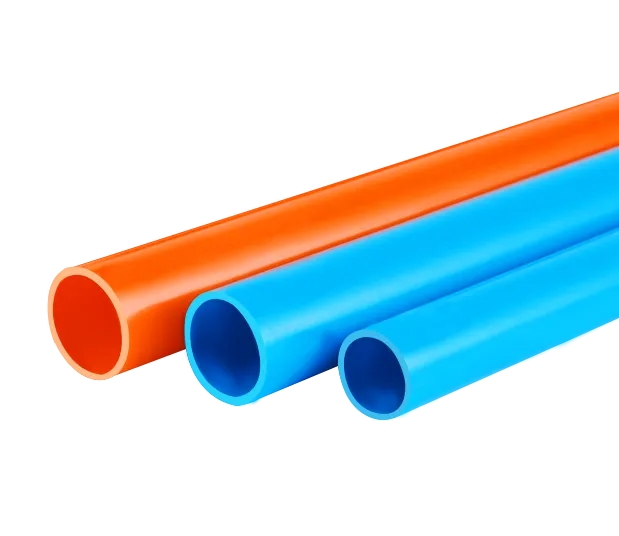
Electrical systems require reliable conduits to protect wiring, maintain safety, and ensure long-term performance. Among the many materials available, Electrical PVC Pipe has become a popular choice for both residential and industrial applications due to its durability, cost-effectiveness, and ease of installation.
Electrical PVC pipes are specifically designed for routing electrical cables while providing insulation, mechanical protection, and resistance to environmental factors. Their lightweight structure, corrosion resistance, and adaptability make them ideal for a wide range of projects.
This guide explores the types of electrical PVC pipes, their benefits, common applications, and installation standards to help you make an informed choice.
What Is an Electrical PVC Pipe?
An Electrical PVC Pipe is a type of conduit made from polyvinyl chloride (PVC) material used to protect electrical cables. These pipes are non-conductive, lightweight, and resistant to corrosion, making them suitable for indoor and outdoor installations.
Electrical PVC pipes ensure safety by isolating wires from moisture, physical damage, and environmental exposure. They come in various forms and sizes to meet specific project requirements, including rigid and flexible variants.
Types of Electrical PVC Pipes
Electrical PVC pipes are available in different types depending on application, flexibility, and installation environment.
Rigid PVC Conduit
Rigid PVC conduits are sturdy and designed for permanent electrical installations. They provide excellent mechanical protection for wiring and are commonly used in industrial and commercial buildings.
Flexible PVC Conduit
Flexible PVC conduits can bend around obstacles without requiring additional fittings. They are ideal for retrofitting existing structures or areas with complex wiring layouts.
PVC Electrical Conduit with Reinforced Wall
Some PVC conduits are reinforced for added strength in high-traffic or heavy-duty applications. They resist impact, crushing, and bending while maintaining insulation properties.
Surface-Mount PVC Conduit
Surface-mount electrical PVC pipes are installed along walls or ceilings to route cables visibly. They are widely used in workshops, warehouses, and industrial facilities for easy maintenance access.
Key Benefits of Electrical PVC Pipes
Electrical PVC pipes provide several advantages over metal or other types of conduits.
Non-Conductive and Safe
PVC is non-conductive, reducing the risk of electrical shock and enhancing safety for installations in residential, commercial, or industrial spaces.
Corrosion and Chemical Resistance
PVC electrical pipes are resistant to moisture, chemicals, and corrosion. They maintain structural integrity over long-term use, even in damp or harsh environments.
Lightweight and Easy to Handle
PVC conduits are lightweight, simplifying transport, cutting, and installation. This reduces labor costs and installation time.
Flexible and Adaptable
Flexible PVC electrical pipes can bend around corners or obstacles, minimizing the need for additional fittings and junction boxes.
Low Maintenance
PVC pipes are durable and require minimal maintenance. They resist cracking, corrosion, and UV degradation when installed properly.
Cost-Effective
Compared to metal conduits, electrical PVC pipes offer a more affordable option without compromising safety and performance.
Common Applications of Electrical PVC Pipes
Electrical PVC pipes are used in a wide variety of projects across different industries.
Residential Wiring
PVC pipes are commonly used in homes to route electrical cables safely, including power outlets, lighting circuits, and home automation systems.
Commercial Buildings
Offices, retail stores, and warehouses use electrical PVC conduits to ensure neat, safe, and code-compliant electrical installations.
Industrial Installations
Factories and production facilities require durable electrical conduits to protect wiring from mechanical damage, chemical exposure, and environmental hazards.
Outdoor Installations
Weather-resistant electrical PVC pipes are suitable for outdoor applications such as lighting, irrigation pump wiring, or utility connections.
Data and Communication Systems
PVC conduits can also be used to route low-voltage cables for communication, networking, and surveillance systems.
Installation Standards for Electrical PVC Pipes
Proper installation ensures the longevity and safety of electrical PVC systems.
Correct Sizing
Select pipes with the appropriate internal diameter to accommodate all cables while allowing easy pull-through without overfilling.
Use of Proper Fittings
Junction boxes, elbows, and connectors must be compatible with PVC pipes to ensure secure, leak-free connections.
Support and Spacing
Install pipes with adequate supports and spacing according to local electrical codes to prevent sagging or mechanical stress.
Bending and Cutting
Flexible PVC conduits should be bent carefully to avoid kinks. Rigid PVC should be cut cleanly using appropriate tools, with edges deburred before cable installation.
Compliance with Electrical Codes
Follow national or regional electrical standards to ensure safety, legal compliance, and warranty coverage.
Electrical PVC Pipe Solutions from Dongguan Shangyu Plastic Hardware Products Company Limited
Selecting the right Electrical PVC Pipe is crucial for safety, durability, and compliance with installation standards.
Dongguan Shangyu Plastic Hardware Products Company Limited specializes in PVC and plastic extrusion products, including electrical PVC pipes, conduits, and related accessories. Our products are designed for professional use and long-term performance.
Highlights include:
- High-quality PVC with excellent corrosion and UV resistance
- Rigid and flexible options for various installations
- Lightweight and easy-to-install design
- Customizable diameters, lengths, and fittings for project-specific needs
We support OEM and ODM orders and provide tailored solutions for clients worldwide.
👉 Explore our Electrical PVC Pipe here:
https://www.shangyuplastic.com/product/electrical-pvc-pipe.html
👉 Contact us today for a customized electrical conduit solution.
FAQ
Q1: What is an electrical PVC pipe used for?
It is used to protect electrical cables, ensuring safe and organized wiring for residential, commercial, and industrial projects.
Q2: Can PVC electrical pipes be used outdoors?
Yes, high-quality PVC pipes are resistant to UV rays, moisture, and corrosion, suitable for outdoor installations.
Q3: How do I select the right diameter?
Choose a diameter that allows all cables to fit comfortably with room for easy pulling without overfilling.
Q4: Are PVC electrical pipes flexible?
Flexible PVC conduits can bend around corners and obstacles, while rigid pipes provide permanent, sturdy protection.
Q5: Can PVC electrical pipes be customized?
Yes, manufacturers can provide custom sizes, lengths, and fittings to meet specific project requirements.