
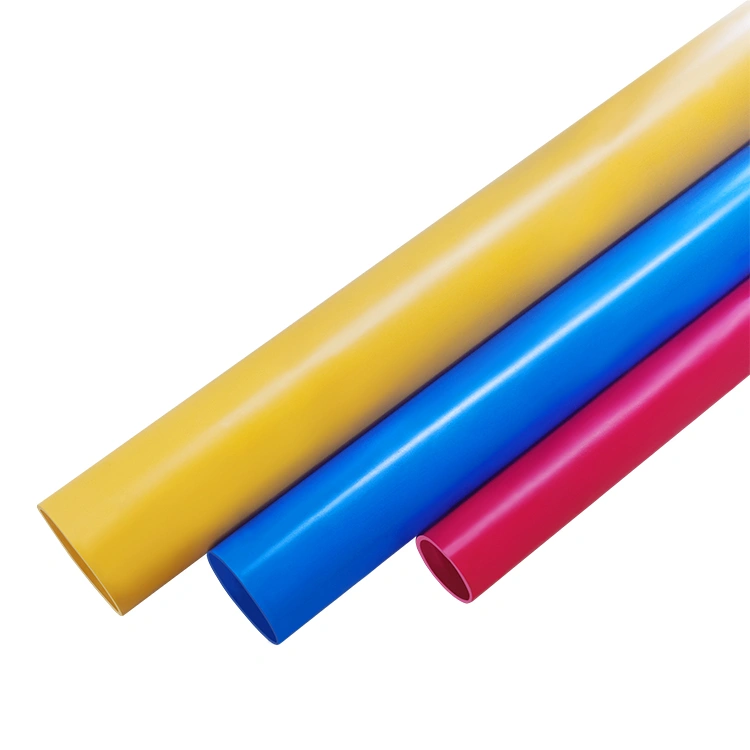
Electrical installations require reliable protection for cables to ensure safety, efficiency, and long-term performance. Among the various conduit options, PVC Electrical Conduit stands out for its lightweight, durable, and corrosion-resistant properties.
PVC electrical conduits are widely used in residential, commercial, and industrial applications, providing mechanical protection, electrical insulation, and environmental resistance for wiring systems. This guide covers the main types, applications, and selection criteria for PVC electrical conduits, helping you make informed decisions for your projects.
What Is a PVC Electrical Conduit?
A PVC Electrical Conduit is a protective tubing system made from polyvinyl chloride (PVC) that routes electrical wires safely and efficiently. PVC conduits are non-conductive, lightweight, and resistant to moisture, corrosion, and chemicals, making them suitable for indoor and outdoor applications.
By isolating cables from physical damage, water, and environmental hazards, PVC conduits improve safety, reduce maintenance costs, and extend the lifespan of electrical systems.
Types of PVC Electrical Conduits
Understanding the types of PVC Electrical Conduit will help you choose the right one for specific installation requirements.
Rigid PVC Conduit
Rigid PVC conduits provide strong mechanical protection for cables. They are ideal for permanent installations in residential, commercial, and industrial buildings.
- High durability
- Resistance to impact and crushing
- Suitable for underground and surface installations
Flexible PVC Conduit
Flexible PVC conduits allow easy routing around corners and obstacles without requiring additional fittings. They are perfect for retrofitting projects or complex layouts where rigid conduits are difficult to install.
- Easy bending
- Quick installation
- Ideal for limited space applications
Reinforced PVC Conduit
Some PVC conduits come reinforced with extra wall thickness or ribbed designs for enhanced strength. These are used in heavy-duty environments where mechanical impact or pressure may occur.
- Extra protection in high-traffic areas
- Resistance to crushing and impact
- Long-term reliability
Surface-Mount PVC Conduit
Surface-mount PVC conduits are installed along walls or ceilings, providing an exposed but safe route for cables. They are commonly used in industrial facilities, workshops, and commercial buildings.
- Visible and accessible for maintenance
- Quick installation
- Flexible routing options
Benefits of PVC Electrical Conduits
Using PVC Electrical Conduit offers several key advantages:
Electrical Safety
PVC is non-conductive, reducing the risk of electrical shock and enhancing system safety in all types of installations.
Corrosion and Chemical Resistance
PVC conduits resist corrosion and chemical exposure, making them suitable for damp areas, outdoor installations, and industrial environments.
Lightweight and Easy Handling
The lightweight nature of PVC conduits simplifies transport, handling, cutting, and installation, reducing labor costs and installation time.
Flexibility and Adaptability
Flexible PVC conduits can navigate around corners, tight spaces, and obstacles, minimizing the need for complex fittings.
Low Maintenance
PVC conduits require minimal maintenance, as they do not rust, crack easily, or degrade under normal environmental conditions.
Cost-Effective
PVC conduits are typically more affordable than metal alternatives, offering long-term savings without compromising safety or durability.
Applications of PVC Electrical Conduits
PVC electrical conduits are widely used in different sectors, including:
Residential Wiring
They provide safe routing for electrical wiring in homes, apartments, and small residential projects, protecting wires in walls, ceilings, and outdoor areas.
Commercial Buildings
Offices, retail spaces, and warehouses utilize PVC conduits for neat, code-compliant, and safe electrical installations.
Industrial Facilities
Factories and workshops require durable conduits to protect wiring from mechanical damage, chemicals, and harsh environmental conditions.
Outdoor Installations
PVC conduits are suitable for outdoor lighting, irrigation system wiring, and utility connections due to their weather-resistant properties.
Data and Communication Systems
They can also house low-voltage wiring for networking, CCTV, and communication systems, providing a safe and organized conduit system.
How to Choose the Right PVC Electrical Conduit
When selecting PVC Electrical Conduit, several factors should be considered:
Size and Capacity
Choose conduits that accommodate all cables comfortably while allowing room for easy pulling. Oversized conduits reduce installation difficulty and cable stress.
Material Quality
Select high-quality PVC with UV stabilization and chemical resistance to ensure durability in indoor and outdoor environments.
Flexibility Requirements
Determine whether your project requires rigid, flexible, or reinforced conduits depending on layout and environmental conditions.
Fittings and Compatibility
Ensure connectors, elbows, and junction boxes are compatible with the selected conduit type to ensure secure and leak-free connections.
Manufacturer Reliability
Choosing a reputable manufacturer guarantees consistent quality, technical support, and customization options. Experienced PVC extrusion companies can provide conduits tailored to your project specifications.
PVC Electrical Conduit Solutions from Dongguan Shangyu Plastic Hardware Products Company Limited
Selecting the right PVC Electrical Conduit ensures safety, reliability, and long-term performance for electrical installations.
Dongguan Shangyu Plastic Hardware Products Company Limited specializes in PVC and plastic extrusion products, including electrical conduits, pipes, and profiles. Our conduits are designed to meet industrial and commercial standards with high performance and durability.
Product highlights include:
- High-quality PVC with corrosion and UV resistance
- Options for rigid, flexible, and reinforced conduits
- Lightweight and easy-to-install design
- Customizable lengths, diameters, and fittings for specific projects
We support OEM and ODM projects and provide tailored solutions for customers worldwide.
👉 Explore our PVC Electrical Conduit here:
https://www.shangyuplastic.com/product/pvc-electrical-conduit.html
👉 Contact us today for a customized electrical conduit solution.
FAQ
Q1: What is a PVC electrical conduit used for?
It is used to protect and route electrical cables safely in residential, commercial, and industrial installations.
Q2: Can PVC conduits be installed outdoors?
Yes, high-quality PVC electrical conduits are resistant to UV rays, moisture, and corrosion, suitable for outdoor applications.
Q3: How do I choose the correct size of conduit?
Select a diameter that accommodates all cables comfortably and allows for easy installation without overfilling.
Q4: Are PVC electrical conduits flexible?
Flexible PVC conduits can bend around corners and obstacles, while rigid conduits provide permanent, sturdy protection.
Q5: Can PVC electrical conduits be customized?
Yes, manufacturers can provide custom diameters, lengths, and fittings to meet specific project requirements.