
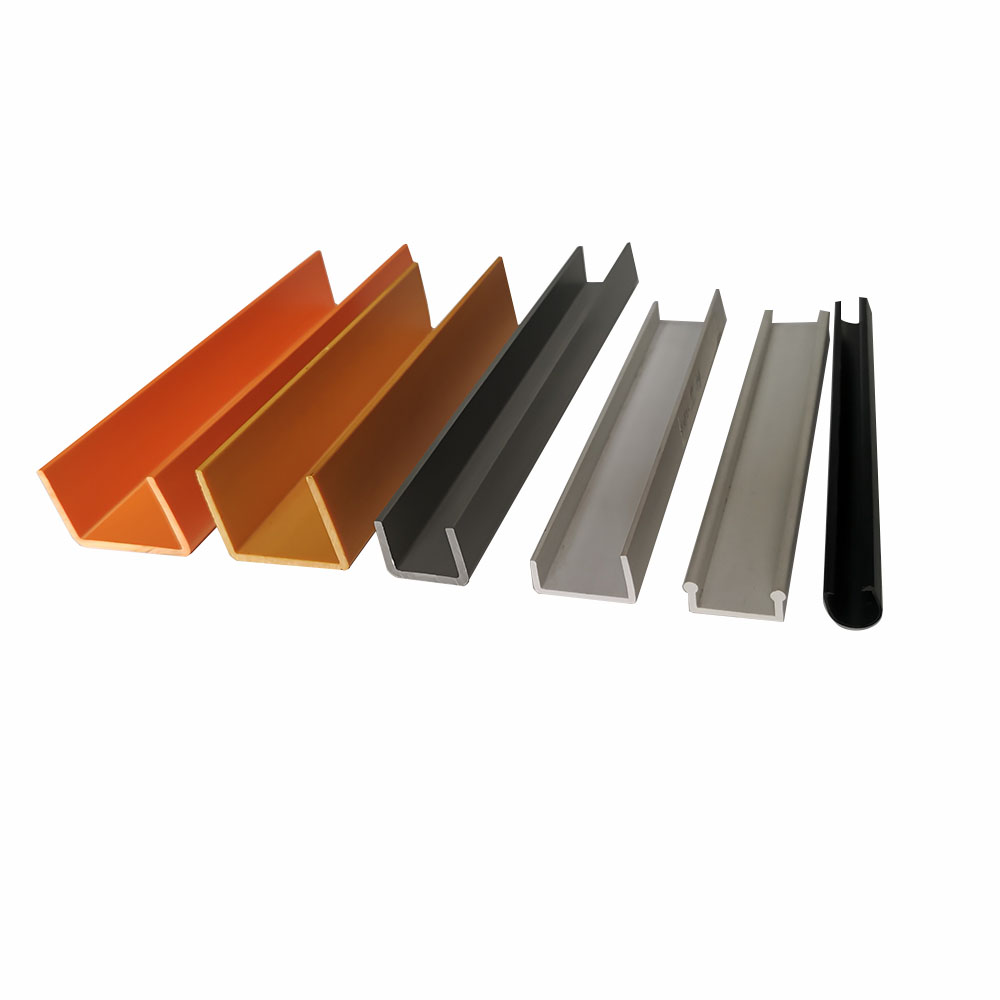
How PVC Profiles Enhance Energy Efficiency in Sustainable Green Buildings
As global construction standards continue to shift toward sustainability and energy efficiency, building materials are being evaluated not only for strength and cost, but also for thermal performance and environmental i
PVC Profiles
mpact. Among these materials, PVC Profiles have become an essential component in modern green buildings.
PVC Profiles are widely used in windows, doors, curtain walls, louvers, shutters, and structural framing systems. Their ability to reduce heat transfer, improve insulation, and support low-carbon construction makes them a key contributor to energy-efficient building envelopes.
This article explores how PVC Profiles enhance thermal insulation, reduce building energy consumption, and help lower the overall carbon footprint of construction projects.
1. The Role of Building Envelopes in Energy Efficiency
The building envelope—including walls, windows, doors, and façade systems—plays a critical role in controlling heat flow between indoor and outdoor environments.
Poorly designed envelopes lead to:
- Excessive heat loss in cold climates
- Increased heat gain in hot climates
- Higher heating and cooling energy demand
PVC Profiles are commonly integrated into these envelope systems to improve thermal performance and minimize unwanted heat transfer.
1.1 Why Material Choice Matters
Traditional materials such as aluminum or steel have high thermal conductivity, which allows heat to pass through easily. Without complex thermal breaks, these materials can significantly reduce energy efficiency.
PVC Profiles, by contrast, are naturally low in thermal conductivity, making them highly effective at slowing heat transfer and improving insulation performance.
2. Thermal Insulation Performance of PVC Profiles
Thermal insulation is one of the most important factors in sustainable building design.
2.1 Low Thermal Conductivity and Heat Loss Reduction
PVC Profiles have a much lower thermal conductivity compared to metal-based profiles. This characteristic helps reduce heat loss in winter and heat gain in summer, stabilizing indoor temperatures.
Key insulation advantages include:
- Reduced thermal bridging
- Improved indoor comfort
- Lower HVAC energy demand
By minimizing heat flow through frames and structural components, PVC Profiles contribute directly to lower building energy consumption.
2.2 Multi-Chamber Profile Design
Modern PVC Profiles often feature multi-chamber internal structures. These air-filled chambers act as insulation barriers, further limiting heat transfer.
Benefits of multi-chamber PVC Profiles include:
- Enhanced insulation without increasing material thickness
- Better acoustic performance
- Improved structural stability
This design flexibility allows architects and engineers to meet strict energy-efficiency standards without compromising aesthetics or strength.
3. Energy Savings Across Different Climate Zones
Energy efficiency requirements vary depending on climate, but PVC Profiles perform consistently across diverse environmental conditions.
3.1 Cold Climate Performance
In cold regions, preventing heat loss is critical to reducing heating energy demand. PVC Profiles help maintain indoor warmth by limiting conductive heat transfer through windows and doors.
This leads to:
- Reduced heating costs
- More stable indoor temperatures
- Improved occupant comfort
3.2 Hot and Mixed Climate Performance
In warm or mixed climates, reducing heat gain is equally important. PVC Profiles help block external heat from entering buildings, lowering the load on air-conditioning systems.
As a result:
- Cooling energy consumption decreases
- Peak energy demand is reduced
- Building operational costs are lowered
4. Carbon Footprint and Environmental Impact of PVC Profiles
Sustainable construction requires a full life-cycle perspective, including material production, usage, and longevity.
4.1 Lower Operational Carbon Emissions
While material production contributes to embodied carbon, the operational phase of a building typically accounts for the largest share of total carbon emissions.
By reducing heating and cooling energy requirements, PVC Profiles help lower operational carbon emissions over the building’s lifespan. This long-term energy savings effect often outweighs initial material-related emissions.
4.2 Long Service Life and Durability
PVC Profiles are known for their durability and resistance to environmental degradation. They offer:
- Long service life
- Resistance to moisture, corrosion, and UV exposure
- Minimal maintenance requirements
Long-lasting materials reduce the need for frequent replacement, which helps minimize material waste and associated carbon emissions.
5. Supporting Green Building Standards and Certifications
Energy-efficient materials are essential for meeting modern green building standards.
PVC Profiles are commonly used in projects targeting certifications such as:
- Energy-efficient building codes
- Sustainable construction standards
- Low-energy or passive building requirements
Their insulation performance and durability support compliance with increasingly strict energy regulations worldwide.
6. PVC Profiles vs Traditional Materials in Sustainable Design
When compared with traditional profile materials, PVC Profiles offer clear advantages in energy efficiency.
|
Performance Factor |
PVC Profiles |
Metal Profiles |
|
Thermal Conductivity |
Low |
High |
|
Insulation Capability |
Excellent |
Limited without thermal breaks |
|
Corrosion Resistance |
Excellent |
Moderate |
|
Maintenance Needs |
Low |
Higher |
|
Energy Efficiency Contribution |
High |
Moderate |
This comparison highlights why PVC Profiles are increasingly selected for energy-conscious building designs.
7. Design Flexibility and Customization for Energy Efficiency
PVC Profiles can be engineered and customized to meet specific project requirements.
Customization options include:
- Profile geometry for enhanced insulation
- Wall thickness optimization
- UV-resistant and weather-resistant formulations
- Integration with glazing and sealing systems
This flexibility allows designers to optimize energy performance while maintaining architectural intent.
8. Manufacturing Quality and Its Impact on Thermal Performance
The energy efficiency of PVC Profiles depends heavily on manufacturing precision.
High-quality extrusion processes ensure:
- Uniform wall thickness
- Consistent chamber structure
- Stable thermal performance
Advanced extrusion technology also supports the production of complex profile designs that maximize insulation efficiency.
9. PVC Profiles as a Long-Term Energy-Saving Solution
Energy-efficient buildings are no longer optional—they are a necessity driven by rising energy costs and environmental responsibility.
PVC Profiles offer a practical and proven solution for reducing heat loss, lowering energy consumption, and minimizing carbon footprint across residential, commercial, and industrial buildings.
Their combination of insulation performance, durability, and design flexibility makes PVC Profiles a key material in sustainable green building strategies.
10. Reliable PVC Profile Manufacturing for Sustainable Projects
For projects that demand both energy efficiency and long-term reliability, material selection and manufacturing expertise are equally important.
Dongguan Shangyu Plastic Hardware Products Company Limited is located in Dongguan City, Guangdong Province, China—one of the world’s most established manufacturing hubs, with convenient access to Hong Kong and Guangzhou.
We specialize in PVC plastic extrusion products, including PVC Profiles, PVC pipes, PVC tubes, PVC conduits, PVC gravity louvers, PVC shutters, and PVC road barriers. Our company operates with independent design, engineering, quality control, and sales departments, enabling us to support customized PVC Profile solutions based on customer drawings or samples.
Using dual-screw extrusion machines, we extrude directly from PVC powder to achieve full plastification, stable performance, and efficient cost control. Our PVC Profiles can be tailored to meet requirements for thermal insulation, UV resistance, aging resistance, impact resistance, and other performance needs relevant to energy-efficient building applications.
With experienced technical teams and OEM/ODM capabilities, we supply PVC Profiles to customers across America, Japan, the European Union, and other global markets—supporting sustainable construction with reliable, energy-efficient extrusion solutions.