
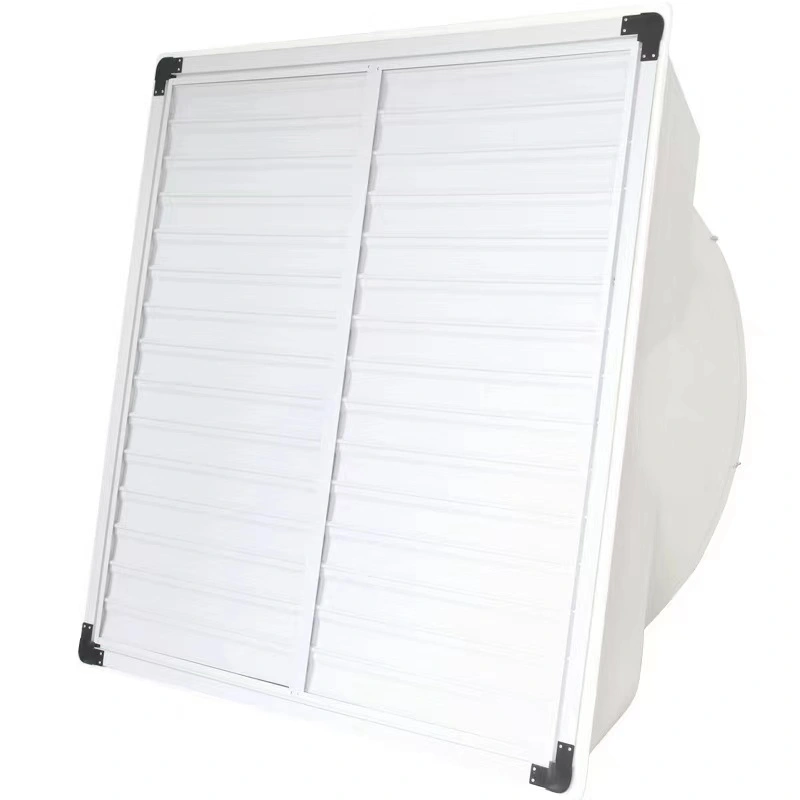
A comprehensive professional guide to enhancing your living or industrial space using high-durability PVC shutter systems designed for longevity and aesthetic appeal.
Introduction to Modern PVC Shutter Systems
In the realm of modern architecture and interior design, the demand for materials that combine aesthetic versatility with rugged durability has never been higher. The PVC shutter has emerged as a premier choice for homeowners and industrial facility managers alike. Unlike traditional wooden alternatives that are prone to warping, rot, and termite damage, or metal versions that can succumb to corrosion, a high-quality PVC shutter offers a synthetic resilience that is virtually unmatched. These systems are specifically engineered to withstand high-moisture environments, such as bathrooms, kitchens, and industrial exhaust zones, making them a strategic investment for any property.
Installing a pvc shutter is not merely about covering a window or a ventilation opening; it is about taking precise control over your environment. Whether you are looking to block out harsh sunlight to protect your furniture from UV damage or seeking to ensure total privacy in a densely populated area, the adjustable nature of these shutters provides a flexible solution. Furthermore, in industrial settings, specialized variants like the exhaust fan shutter play a critical role in managing airflow while maintaining the integrity of the building envelope. This guide will walk you through the professional steps required to install these fixtures correctly, ensuring they remain functional and beautiful for decades to come.
The Technical Advantages of Choosing a PVC Shutter
Before diving into the installation process, it is essential to understand why the pvc shutter is considered a superior material in the industry. PVC, or Polyvinyl Chloride, is a thermoplastic polymer that is naturally resistant to moisture and chemical exposure. This makes it an ideal candidate for shutters that are exposed to the elements or high-humidity indoor air. From a thermal perspective, PVC acts as an excellent insulator. When a pvc shutter is fully closed, it creates an additional layer of air between the room and the window glass, significantly reducing heat transfer and helping to lower energy bills during peak summer and winter months.
Another significant advantage is the maintenance profile. Traditional shutters require periodic sanding, staining, or painting to maintain their appearance and structural integrity. In contrast, a pvc shutter requires nothing more than an occasional wipe-down with a damp cloth. The color is typically extruded throughout the material, meaning scratches are less visible and there is no paint to chip or peel. For industrial applications, such as the gravity louvers used in warehouses, the lightweight nature of PVC reduces the strain on the mounting structures while providing the necessary impact resistance to handle daily operations. By choosing PVC, you are opting for a "set it and forget it" solution that maintains its value over time.
Essential Tools and Preparation for Installation
Successful installation of a pvc shutter begins long before the first screw is driven. Accuracy in measurement is the most critical factor. You must measure the width and height of the opening at three different points (top, middle, and bottom for width; left, center, and right for height) to account for any irregularities in the building's structure. Always use the smallest measurement for an inside mount to ensure the shutter frame fits within the recess. For an outside mount, you will need to add extra width to allow the frame to sit securely on the wall or casing surrounding the window.
You will need a specific set of tools to ensure a professional finish. These include a high-quality power drill with a variety of bits, a spirit level (both a short torpedo level and a longer 4-foot level are recommended), a rubber mallet, a measuring tape, and a caulking gun for the final sealing steps. It is also wise to have shims on hand to level the frame if your window casing is not perfectly square. Preparation also involves inspecting the pvc shutter panels upon delivery. Ensure that all components, including hinges, frames, and louvers, are present and free from transit damage. Taking twenty minutes to organize your workspace and tools will save you hours of frustration during the actual mounting process.
Step-by-Step Mounting Guide for Your PVC Shutter
The first step in the physical installation is assembling the shutter frame. Lay the frame pieces on a soft surface (like a carpet or the product packaging) to prevent scratching. Most modern pvc shutter kits use a "Hoffman Key" or a similar snap-lock system that allows the four sides of the frame to join perfectly at 45-degree angles. Once the frame is assembled, lift it into the window opening to check the fit. This is the time to use your spirit level. If the frame is not perfectly level, use your plastic shims behind the frame until it is plumb and square. This is vital because if the frame is skewed, the shutter panels will not swing or close correctly.
Once the frame is positioned and leveled, drill pilot holes through the frame into the window casing. Secure the frame with the provided screws, but do not tighten them fully until you have checked the squareness one last time. Now, it is time to hang the panels. Lift the pvc shutter panels and align the hinges. Most systems use a drop-pin hinge mechanism, which makes this step very straightforward. After hanging the panels, test the movement. The panels should meet perfectly in the center without overlapping or leaving a large gap. If they are uneven, most hinges allow for minor vertical or horizontal adjustments. Finally, apply a bead of high-quality silicone caulk around the edge of the frame to hide any small gaps between the frame and the wall, providing a clean, professional "built-in" look.
Optimizing Privacy and Light with Adjustable Louvers
The primary reason many homeowners choose a pvc shutter is the unparalleled control it offers over light and privacy. Unlike blinds or curtains, which are often either "open" or "closed," shutters allow for granular adjustment. By tilting the louvers, you can redirect incoming sunlight toward the ceiling, which brightens the room naturally without causing glare on television screens or computer monitors. This "daylighting" technique is an excellent way to reduce the need for artificial lighting during the day. In industrial settings, this same principle applies to ventilation, where the angle of the shutter blades can be adjusted to maximize airflow while preventing rain or debris from entering the facility.
Privacy is equally manageable. By tilting the louvers of your pvc shutter upward, you can prevent people at street level from looking into your home while still allowing light and air to flow through the top of the window. This is particularly useful for ground-floor bedrooms or bathrooms. High-quality PVC shutters also offer excellent acoustic insulation properties. The thick, hollow-core or solid-core PVC slats act as a sound dampener, reducing the amount of street noise that enters your sanctuary. Whether you are aiming for a total blackout for a home theater or a breezy, light-filled living room, the versatility of the adjustable PVC louver makes it the ultimate window treatment for modern living.
Why Shangyu is Your Trusted PVC Shutter Partner
When it comes to sourcing high-performance plastic solutions, Shangyu stands at the forefront of the industry. With years of expertise in plastic extrusion and manufacturing, we specialize in creating products that meet the rigorous demands of both residential and industrial applications. Our commitment to quality ensures that every pvc shutter we produce is made from premium-grade materials designed to resist UV yellowing, impact, and extreme temperature fluctuations. We don't just provide a product; we provide a durable solution tailored to your specific architectural needs.
Our Specialized Product Range
Explore our diverse catalog of high-quality PVC solutions tailored for various industries:
Ventilation Solutions: Our pvc exhaust shutter and white pvc fan shutter are engineered for optimal airflow and weather protection.
Piping & Conduits: We offer robust pvc pipe and specialized pvc electrical conduit for safe wiring management.
Profiles & Safety: From u-shape profile to rebar safety strip, we provide the essential components for construction and safety.
Custom Extrusions: Need something unique? Our pvc extrusion profile services can be customized to your exact specifications.
At Shangyu, we pride ourselves on our advanced manufacturing facility and our dedicated R&D team. Whether you are looking for a standard pvc shutter for a home renovation or a bulk order of plastic road barriers for a municipal project, we deliver excellence in every shipment. Our products are exported globally, reflecting our commitment to international standards of quality and reliability.
Frequently Asked Questions
Q1: Is a PVC shutter suitable for outdoor use?
Yes, a high-quality pvc shutter is specifically designed to handle outdoor conditions. Unlike wood, it will not rot when exposed to rain, and modern UV inhibitors prevent it from becoming brittle or yellowing in the sun. However, ensure you choose a grade designed for exterior installation to maximize its lifespan.
Q2: How do I clean and maintain my PVC shutter?
Maintenance is incredibly simple. For regular cleaning, use a soft cloth or a vacuum with a brush attachment to remove dust. For deeper cleans, a mild solution of soap and water is all that is needed. Avoid abrasive chemicals, as they are unnecessary and could dull the finish of the pvc shutter over time.
Q3: Can a PVC shutter help reduce my energy bills?
Absolutely. The material properties of PVC provide excellent thermal insulation. When closed, the pvc shutter acts as a barrier that reduces heat loss in the winter and prevents solar heat gain in the summer, making your HVAC system work more efficiently and lowering your monthly energy costs.
Q4: Is a PVC shutter better than a wooden shutter for bathrooms?
Yes, PVC is far superior for high-moisture areas. Wooden shutters can absorb steam and moisture, leading to warping and paint failure. A pvc shutter is completely waterproof and will maintain its shape and appearance even in the steamiest bathroom environments.
Q5: Can I customize the size of my PVC shutter?
Yes, most professional manufacturers like Shangyu offer extensive customization options. Because we control the extrusion process, we can provide a pvc shutter that fits non-standard window sizes or specific industrial vent openings, ensuring a perfect fit and optimal performance.
Ready to Upgrade Your Space?
Don't settle for subpar window treatments. Invest in a durable, stylish, and high-performance PVC shutter from the experts at Shangyu. Whether for your home or an industrial facility, we have the perfect solution for you.