
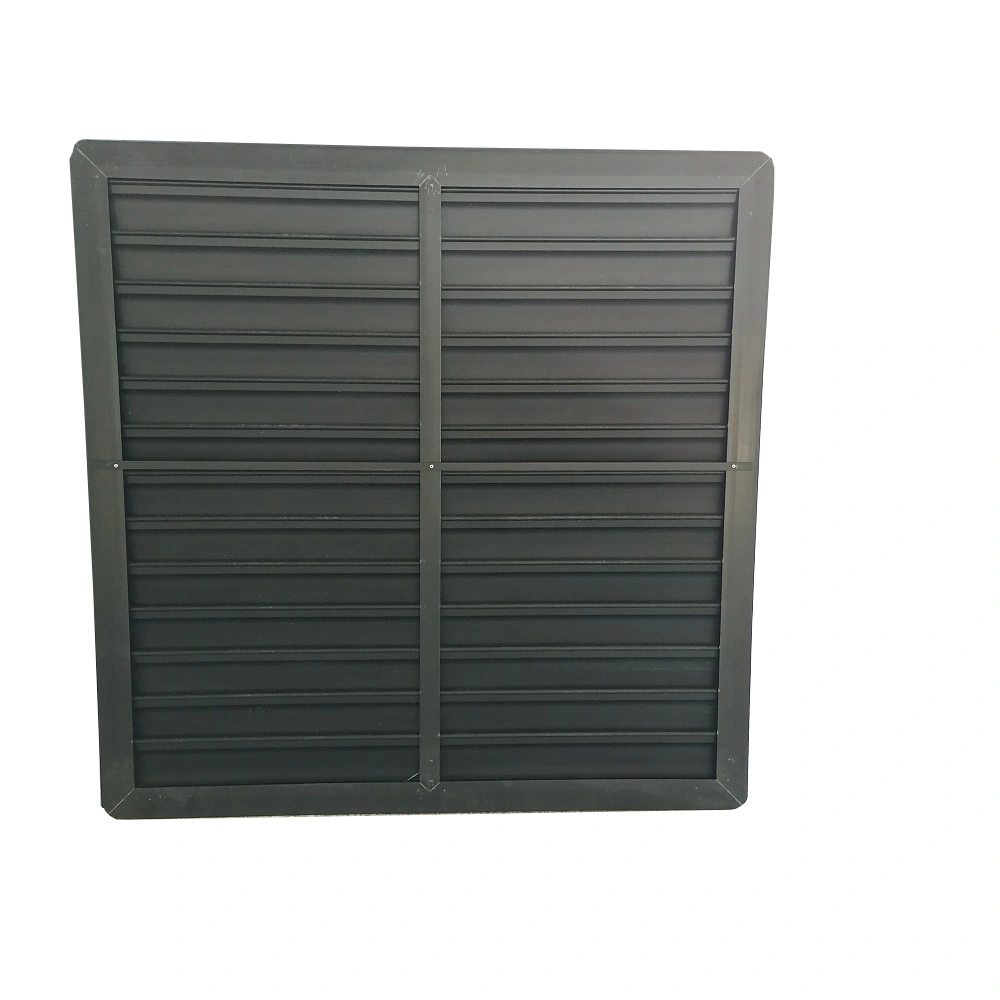
Introduction to Modern Ventilation Solutions
The modern industrial and residential ventilation landscape has been transformed by the introduction of high-performance synthetic materials. Among these, the PVC shutter has emerged as a leading choice for engineers and homeowners alike. Known for its remarkable resistance to corrosion, moisture, and chemical degradation, this essential component plays a critical role in maintaining airflow while protecting interiors from external elements. However, even the most durable materials require a systematic approach to maintenance to ensure they function at peak efficiency over many years. When we talk about performance, we are not just referring to the basic opening and closing mechanism, but the overall structural integrity and aesthetic appeal of the installation.
Proper maintenance of a PVC shutter is not an arduous task, but it does require consistency and an understanding of the material properties. Unlike traditional wood or metal alternatives, PVC does not rust or rot, which simplifies the upkeep process significantly. Yet, environmental factors such as UV radiation, industrial dust, and grease accumulation can impact the smooth operation of the louver blades and the efficiency of gravity-fed mechanisms. By following a professional maintenance schedule, users can extend the service life of their ventilation systems, minimize repair costs, and ensure that their investment continues to provide value. In this guide, we will explore the professional strategies used by industry experts at Shangyu to keep these systems in top-tier condition.
Understanding the Material Science of PVC Shutter Systems
To maintain a PVC shutter effectively, one must first understand why poly-vinyl chloride is such a formidable material in the construction industry. At its core, PVC is a thermoplastic polymer that offers a unique balance of rigidity and flexibility. During the extrusion process, stabilizers and UV inhibitors are added to the compound to enhance its ability to withstand the harsh effects of direct sunlight. Without these additives, inferior plastic products would become brittle and discolored within a few months of outdoor exposure. Shangyu utilizes advanced formulation techniques to ensure that every shutter produced can handle the thermal expansion and contraction associated with fluctuating outdoor temperatures.
The structural design of the blades is often hollow or reinforced with specific internal ribbing to provide strength without excessive weight. This lightweight nature is a primary benefit, as it allows gravity-controlled exhaust shutters to react sensitively to air pressure changes. However, this also means that the buildup of heavy debris or thick layers of grease can disrupt the balance of the blades. Understanding the physical equilibrium of your PVC shutter is the first step toward effective maintenance. By recognizing that the material is designed to be low-maintenance but not "zero-maintenance," you can adopt a proactive stance that prevents minor issues from escalating into mechanical failures that could compromise your entire ventilation strategy.
Professional Cleaning Protocols for Optimal Airflow
Cleaning is the most frequent maintenance task required for any PVC shutter. Over time, static electricity can attract fine dust particles to the surface of the blades, which eventually creates a friction-heavy layer. In kitchen exhaust or industrial factory settings, this dust often mixes with airborne oils to form a sticky residue. To clean these surfaces without damaging the polymer, you should avoid abrasive scouring pads or harsh solvent-based cleaners like acetone or thinners, as these can etch the surface and remove the protective UV-resistant layer. Instead, a mixture of mild dish soap and lukewarm water is generally the most effective solution for restoring the original finish.
For professional-grade cleaning, we recommend a soft microfiber cloth or a long-handled soft-bristle brush to reach between the louvers. Start from the top and work your way down, ensuring that you clean both the front and the back of each blade. It is essential to pay close attention to the pivot points where the blades connect to the frame. Dirt accumulation in these small gaps is the leading cause of "sticky" shutters that fail to close fully when the fan is turned off. After washing, a thorough rinse with clean water is necessary to remove any soap film that might attract new dust. Periodic cleaning not only keeps the PVC shutter looking new but also ensures that the static pressure of your exhaust system remains within the designed parameters.
Mechanical Inspection and Lubrication Strategies
While the material itself is immune to rust, the mechanical operation of a PVC shutter often involves movement at hinge points or along track systems. A quarterly inspection is recommended to verify that all components are moving freely. Gently move the blades by hand to feel for any resistance or grinding sensations. If the shutter is part of an automated or gravity-exhaust system, ensure that the weights or springs are correctly tensioned. Over time, fasteners can vibrate loose due to constant airflow; therefore, checking the tightness of screws and mounting brackets is a vital safety and performance step that prevents rattling and air leakage.
Lubrication should be approached with caution. Many traditional lubricants are petroleum-based, which can actually degrade certain types of plastics over long periods. For a PVC shutter, the best choice is a dry silicone-based spray. Silicone provides a thin, non-greasy protective layer that reduces friction without attracting dust. Apply a small amount to the pivot pins and wipe away any excess. This ensures that even the lightest breeze can activate the louver system, maintaining the efficiency of the exhaust fan. If you notice any cracked or warped blades during your inspection, these should be replaced immediately. Using high-quality components from a reliable manufacturer like Shangyu ensures that replacement parts will fit perfectly and match the original material specifications.
Addressing Environmental Challenges and UV Protection
Environmental stressors are the primary enemy of long-term durability. In coastal areas, salt spray can crystallize on surfaces, while in desert climates, extreme heat can test the thermal stability of the plastic. A high-quality PVC shutter is designed to handle these conditions, but additional care can prevent premature aging. If your shutters are located in areas of extreme sun exposure, you may notice a slight "chalking" on the surface over many years. This is a sacrificial layer of the plastic designed to protect the structural core. Regular cleaning helps remove this oxidized layer and keeps the shutters functioning as intended.
Furthermore, in regions prone to high winds or storms, the physical impact of flying debris can be a concern. Check the edges of your PVC shutter for any nicks or deep scratches that could become stress-concentration points. While PVC is impact-resistant, deep gouges can catch the wind and lead to structural failure under extreme pressure. Ensuring that the shutters are securely fastened to the wall or the fan housing is the best defense against environmental damage. By integrating these checks into your seasonal maintenance routine, you ensure that the ventilation system remains a reliable barrier against the elements, protecting the interior of your facility from rain, pests, and unconditioned air.
The Shangyu Advantage: Excellence in Plastic Extrusion
As a leading manufacturer with over two decades of specialized experience, Shangyu is dedicated to providing the global market with premium plastic solutions. We understand that a PVC shutter is only as good as the extrusion process that created it. Our facility utilizes state-of-the-art machinery to produce a wide array of products, from a standard pvc shutter to complex industrial components. We pride ourselves on our rigorous quality control, ensuring that every batch of material meets international standards for durability, flame retardancy, and environmental safety.
Our product portfolio is extensive, catering to various construction and industrial needs. Whether you require a pvc pipe for infrastructure projects, a specialized pvc extrusion profile for custom architectural designs, or a robust pvc shutter for ventilation, Shangyu delivers unmatched precision. We also offer specialized items such as pvc electrical conduit and traffic barrier solutions. Our commitment to innovation and customer satisfaction has made us a trusted partner for clients worldwide who demand the very best in plastic engineering.
Frequently Asked Questions
Q1: How often should I clean my PVC shutter?
For standard residential or office use, cleaning your PVC shutter once every six months is sufficient. However, in industrial environments or high-grease areas like kitchens, a monthly cleaning schedule is recommended to prevent debris buildup.
Q2: Can I paint my PVC shutter to match a new color scheme?
While it is possible to paint a PVC shutter, it is generally not recommended as the paint can flake off due to the smooth surface and flexible nature of the plastic. If you must paint, use a specialty primer designed specifically for PVC materials.
Q3: What should I do if a blade on my PVC shutter gets stuck?
First, inspect for physical obstructions like bird nests or accumulated dirt. If the PVC shutter remains stuck, clean the pivot points and apply a small amount of dry silicone spray to the hinges to restore movement.
Q4: Are Shangyu PVC shutter systems resistant to fire?
Yes, every PVC shutter manufactured by Shangyu is made from flame-retardant compounds that are self-extinguishing, providing an added layer of safety for both residential and industrial installations.
Q5: How do I know when it is time to replace my PVC shutter?
If you notice significant warping that prevents the PVC shutter from sealing, or if the plastic has become extremely brittle and cracks under light pressure, it is time to contact Shangyu for a high-quality replacement.
Conclusion
Maintaining your PVC shutter is a simple yet vital investment in your building's health and efficiency. By following these professional guidelines—regular cleaning, mechanical inspection, and using the right lubricants—you ensure years of trouble-free performance.