
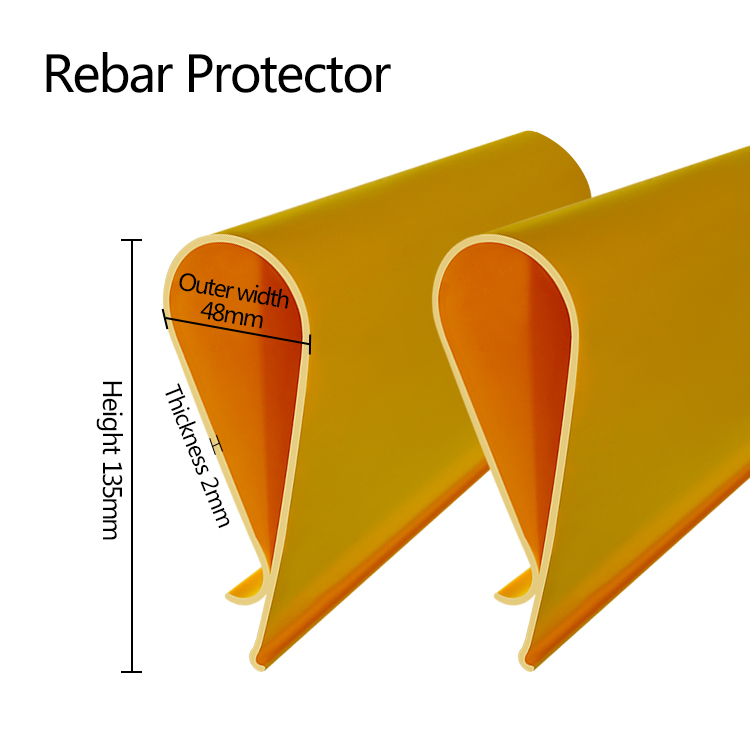
Construction sites are inherently high-risk environments where safety protocols must be prioritized to protect the workforce. One of the most common yet dangerous hazards on-site is exposed reinforcing steel, commonly known as rebar. While individual safety caps have been a traditional solution, the modern industry has shifted towards a more comprehensive and efficient protective measure: the rebar safety strip. This guide will provide a detailed, professional analysis of why these strips are essential and how to install them correctly to ensure maximum site compliance and worker protection.
At Shangyu, we understand that site safety is non-negotiable. As a leader in plastic extrusion technology, we have developed advanced solutions that meet international safety standards. The use of a high-visibility rebar safety strip not only prevents impalement but also provides a continuous visual warning for workers operating in high-traffic areas. This article serves as a technical manual for site managers and safety officers looking to optimize their safety infrastructure through proper installation techniques.
Pre-Installation Assessment and Site Preparation
Before the actual installation of a rebar safety strip begins, a thorough site assessment is required. This phase involves identifying all areas where vertical or horizontal rebar is protruding and poses a risk of tripping or impalement. Safety officers should measure the diameter of the rebar being used, as most high-quality safety strips are designed to accommodate a range of sizes, typically from 8mm to 32mm. Ensuring the strip fits securely is the first step in preventing accidental dislodgement.
Preparation also includes clearing the rebar of any excessive concrete splatter or debris that might interfere with the internal gripping mechanism of the safety strip. The environment should be reviewed for potential high-wind areas or zones where heavy machinery might come into contact with the safety barriers. By organizing the site and categorizing the hazardous zones, the installation team can move efficiently across the project floor, ensuring that no exposed steel is left unprotected for any duration of the workday.
Expert Insight: Always choose a rebar safety strip with high-visibility colors such as safety orange or bright yellow. These colors remain visible even in low-light conditions or during adverse weather, significantly reducing the likelihood of accidental contact.
Step-by-Step Guide to Installing Rebar Safety Strips
The installation process for a rebar safety strip is designed to be fast and tool-free, allowing contractors to secure large areas in a fraction of the time required for individual caps. Follow these professional steps for a secure fit:
- Alignment: Position the safety strip over a line of protruding rebar. Most strips come in lengths of 1 meter or 2 meters. Align the internal channel of the strip with the center of the rebar row.
- Compression and Fitting: Press the strip firmly downward onto the rebar ends. High-quality PVC safety strips feature internal fins or a flexible core that grips the ridges of the rebar, preventing the strip from falling off even if it is bumped by workers.
- Continuous Coverage: When installing multiple strips in a row, ensure they are placed flush against one another. This creates a continuous "safety rail" that is much easier for the eye to track than scattered individual caps.
- Verification: Once installed, walk the line and apply light upward pressure. A correctly installed rebar safety strip should resist moving and feel integrated with the steel structure.
Why Professional Standards Matter in Construction Safety
In the global construction market, compliance with organizations like OSHA (Occupational Safety and Health Administration) is paramount. A professional-grade rebar safety strip is engineered to withstand the weight of a worker in the event of a fall. Unlike flimsy alternatives, these strips are reinforced with internal steel or high-impact PVC to distribute the force of an impact, transforming a potentially fatal impalement hazard into a manageable bruising incident.
Furthermore, the durability of the materials used by manufacturers like Shangyu ensures that these strips can be reused across multiple projects. Our PVC compounds are UV-stabilized, meaning they will not become brittle or lose their bright color after weeks of exposure to direct sunlight. This longevity provides a much higher return on investment (ROI) compared to single-use safety products that require frequent replacement due to degradation or loss.
Quantifiable Benefits of Using Rebar Safety Strips
Implementing a standardized system for rebar protection offers several quantifiable benefits to construction firms:
- Labor Efficiency: Workers can install safety strips up to 70% faster than individual caps, reducing man-hours spent on safety setup.
- Enhanced Visibility: The continuous profile of a strip makes it visible from a distance, serving as a perimeter marker for restricted zones.
- Insurance Premium Reduction: Many insurance providers offer better rates to contractors who demonstrate the use of superior safety equipment that exceeds minimum regulatory requirements.
- Zero-Impalement Goals: Using a robust rebar safety strip is the most effective way to reach "zero harm" safety targets on large-scale infrastructure projects.
About Shangyu: Your Partner in Construction Safety
Shangyu is a specialized manufacturer dedicated to high-quality plastic extrusion solutions. With decades of experience, we provide a wide range of industrial products designed for durability and performance. Our commitment to safety is reflected in our flagship rebar safety strip, which has been utilized in major construction projects worldwide.
In addition to safety products, we offer an extensive catalog of industrial solutions including pvc pipe, pvc electrical conduit, and various pvc extrusion profile options. Our state-of-the-art manufacturing facility ensures that every product meets rigorous quality control standards, providing our clients with reliable and cost-effective materials for infrastructure, electrical, and ventilation applications.
Conclusion
The installation of a rebar safety strip is a simple yet transformative step in modern construction site management. By moving away from insufficient protection and adopting high-performance PVC solutions, contractors can significantly reduce the risk of injury, ensure regulatory compliance, and improve overall site efficiency. Safety is an investment, not an expense, and choosing the right equipment from a trusted manufacturer like Shangyu is the first step toward a safer working environment.
Secure Your Construction Site Today
Contact Shangyu for bulk pricing and custom safety solutions tailored to your project needs.
Contact Us NowFrequently Asked Questions
Q1: What are the primary advantages of a rebar safety strip over individual caps?
A rebar safety strip provides a continuous line of protection, making it much harder to miss visually. It is also significantly faster to install and offers better stability across multiple rebar stakes, reducing the chance of individual protectors being knocked off during construction activities.
Q2: Can a rebar safety strip be reused on different construction projects?
Yes, Shangyu safety strips are manufactured from high-impact, UV-resistant PVC. This makes them extremely durable and capable of being moved from one site to another, providing long-term value and sustainability for contractors.
Q3: Does the rebar safety strip meet OSHA impalement protection standards?
Our rebar safety strip is designed with safety regulations in mind. When installed correctly, the strip is engineered to support the impact of a falling worker, helping to prevent the rebar from penetrating the body, which is the core requirement of OSHA safety standards.
Q4: What sizes of rebar can a standard rebar safety strip accommodate?
Most of our strips are designed with a flexible internal channel that can securely grip rebar ranging from 8mm to 32mm in diameter. This versatility allows a single product to be used across various structural elements on a construction site.
Q5: How does the rebar safety strip perform in extreme weather conditions?
Thanks to advanced PVC compounding, the strip maintains its structural integrity and grip in both high temperatures and freezing conditions. The UV-stabilized material prevents the strip from becoming brittle or fading under intense sun exposure.