
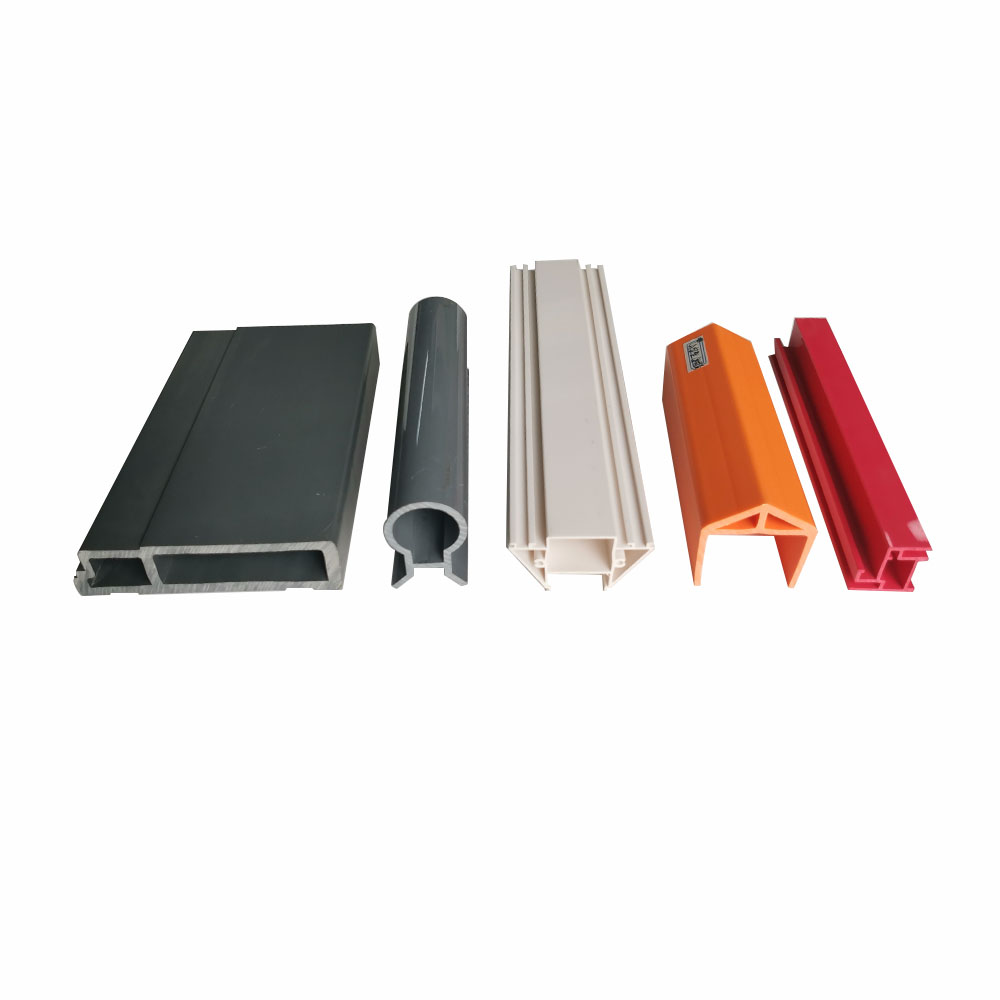
Introduction to Fenestration Excellence
In the modern construction industry, the quality of fenestration products is directly linked to the raw materials used during the extrusion process. For manufacturers specializing in residential and commercial openings, the decision to choose a specific PVC profile is not merely a purchasing choice but a strategic investment in product longevity and brand reputation. As energy codes become more stringent globally, the role of high-performance thermoplastic materials has taken center stage. Selecting the right profile ensures that the finished doors and windows can withstand environmental stressors while providing maximum comfort to the end-user.
Manufacturing high-quality doors and windows requires an intricate understanding of polymer science and structural engineering. A premium PVC profile acts as the skeleton of the window system, providing the necessary rigidity to hold heavy glass units and the flexibility to be welded into precise configurations. This guide will walk you through the critical technical parameters, material compositions, and manufacturing standards that define a world-class profile system, helping you make an informed decision for your production line.
Material Composition and UV Stability
The fundamental quality of a PVC profile is determined by its chemical formulation. In the industry, we often distinguish between standard PVC and uPVC (unplasticized PVC). For door and window manufacturing, uPVC is the gold standard because it lacks the plasticizers that make the material flexible and prone to degradation. A high-quality profile must contain a balanced blend of titanium dioxide for UV protection and impact modifiers to prevent brittleness in cold climates. Without these additives, profiles may yellow, crack, or warp over time when exposed to direct sunlight.
Furthermore, the density of the compound plays a vital role in the welding strength of the corners. Manufacturers should look for profiles that meet international standards for lead-free formulations, aligning with modern environmental regulations. The thermal stability of the material ensures that during the extrusion and subsequent welding processes, the structural integrity of the profile remains intact, resulting in a seamless and airtight finish for every window frame produced.
Understanding Multi-Chamber Engineering
One of the most significant advancements in PVC profile design is the implementation of multi-chambered cross-sections. These internal air pockets serve two primary purposes: thermal insulation and structural reinforcement. Each chamber acts as a thermal break, significantly reducing the U-value of the window system and preventing heat transfer between the interior and exterior environments. For manufacturers targeting green building certifications, choosing a profile with five or more chambers is often necessary to meet high energy efficiency requirements.
Beyond insulation, these chambers provide dedicated spaces for steel or aluminum reinforcements. Proper reinforcement is critical for larger window units or those installed in high-wind zones. The internal geometry must be designed to allow for the easy insertion of metal liners while maintaining enough wall thickness to support hardware screws. When evaluating a profile, manufacturers must inspect the precision of these internal walls to ensure they are consistent across the entire length of the extrusion, as any variation can lead to structural weaknesses in the finished product.
Wall Thickness and Class Designations
In the world of extrusion, wall thickness is a non-negotiable quality metric. Most international standards categorize a PVC profile into Class A, B, or C based on the thickness of the visible and non-visible walls. Class A profiles, typically featuring a wall thickness of 2.8mm or more, offer the highest mechanical strength and weldability. For window manufacturers, choosing a Class A profile means fewer rejects during the production process and a much lower risk of hardware failure over the lifetime of the installation.
Structural Stability: Thicker walls prevent the frame from twisting under the weight of heavy double or triple-glazing units.
Hardware Retention: Screws used for hinges and locks have more material to bite into, ensuring long-term security.
Corner Strength: Heat welding creates a larger surface area of fusion, resulting in corners that can withstand significant impact.
Why Shangyu is Your Trusted Partner
At Shangyu, we have spent decades perfecting the art of plastic extrusion. Our commitment to quality starts with the selection of premium raw materials and extends to our state-of-the-art manufacturing facility. We understand that every project has unique requirements, which is why we offer a diverse range of solutions tailored to the needs of modern fabricators. Our expertise is not just in production, but in providing comprehensive technical support to ensure our clients succeed in their respective markets.
Our product catalog features everything from standard window sections to specialized components. For example, our pvc extrusion profile range is designed for maximum versatility and ease of fabrication. If your project requires specific structural shapes, our u-shape profile and pvc corner bead options provide the perfect finishing touch and reinforcement for complex installations. At Shangyu, we don't just sell components; we provide the building blocks for your success.
Learn more about our heritage and commitment to innovation on our About Us page, where we detail our quality control processes and global reach.
Frequently Asked Questions
Q1: What are the benefits of using a high-quality PVC profile?
A high-quality PVC profile offers superior durability, low maintenance, and excellent resistance to corrosion. It ensures that doors and windows remain functional and aesthetically pleasing for decades without the need for painting or expensive repairs.
Q2: How does a PVC profile affect energy efficiency?
The multi-chambered design of a PVC profile acts as an effective thermal barrier. This minimizes heat loss in winter and keeps interiors cool in summer, significantly reducing energy consumption for heating and cooling.
Q3: Can a PVC profile be customized for specific designs?
Yes, at Shangyu, we can customize a PVC profile to meet specific architectural requirements, including different shapes, wall thicknesses, and surface finishes to match your project's aesthetic.
Q4: How do I identify a durable PVC profile?
Check for Class A wall thickness, high UV resistance ratings, and smooth surface finishes. A durable PVC profile should also have strong internal ribbing and consistent material density.
Q5: Why is Shangyu the preferred manufacturer for PVC profile products?
Shangyu combines advanced extrusion technology with rigorous quality testing. We offer a comprehensive range of PVC profile solutions that meet international standards, backed by exceptional customer service and technical expertise.
Ready to Elevate Your Manufacturing Quality?
Partner with Shangyu for high-performance extrusion solutions that stand the test of time.