
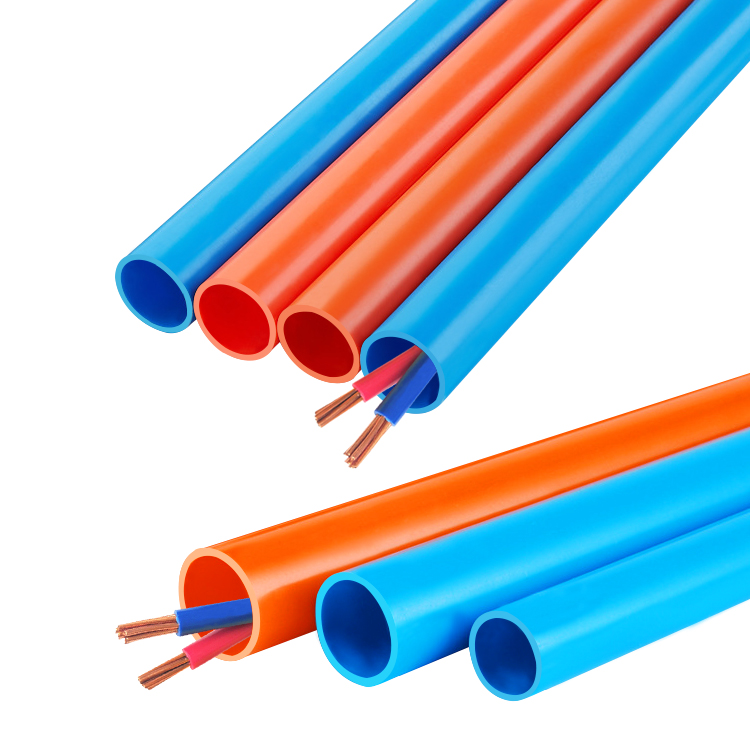
A comprehensive guide to selecting, installing, and maintaining high-performance underground piping solutions for modern electrical infrastructure.
The Critical Role of PVC Conduit in Underground Infrastructure
When it comes to modern construction and electrical engineering, protecting the integrity of underground cabling is paramount. Underground environments present a unique set of challenges, ranging from moisture infiltration and soil pressure to chemical exposure and temperature fluctuations. The most reliable solution for these challenges is the strategic use of PVC conduit. This material has revolutionized the way we manage utilities, providing a lightweight, durable, and cost-effective barrier that ensures electrical and data lines remain functional for decades. Choosing the right piping system is not just about meeting current building codes; it is about future-proofing the infrastructure against the harsh realities of the subterranean environment.
Underground cable management requires a material that possesses specific physical and chemical properties. Unlike metallic alternatives, which are prone to rust and electrolysis, polyvinyl chloride offers an inert solution that does not react with acidic or alkaline soils. Furthermore, the installation process of a high-quality PVC conduit system is significantly faster and less labor-intensive than traditional methods. As urbanization continues to expand, the demand for sophisticated underground networks grows, making it essential for contractors, engineers, and project managers to understand the nuances of material selection. This guide dives deep into the technical specifications and decision-making factors involved in procuring the best possible protection for your underground assets.
The success of an underground project often hinges on the quality of the raw materials used. A failure in the conduit system can lead to catastrophic electrical shorts, expensive excavation repairs, and significant downtime. By prioritizing the selection of professional-grade PVC conduit, stakeholders can mitigate these risks. Throughout this article, we will explore the technical nuances that separate standard products from industry-leading solutions, ensuring that your next underground cable management project is built on a foundation of excellence and safety.
Technical Specifications and Material Standards
Selecting the right PVC conduit involves more than just picking a size. One must consider the schedule of the pipe, which dictates its wall thickness and pressure rating. In the world of underground electrical work, Schedule 40 and Schedule 80 are the two most common classifications. Schedule 40 is typically used for direct burial or encased in concrete where the pipe is not subject to heavy physical damage. Schedule 80, having a thicker wall, is mandatory for areas where high-traffic loads or potential mechanical impacts are expected. Understanding these distinctions is vital for maintaining compliance with local and international safety standards, such as UL or ASTM certifications.
Beyond wall thickness, the chemical composition of the pipe plays a major role in its longevity. High-quality manufacturers like Shangyu ensure that their pipes are treated with UV stabilizers and impact modifiers. While underground pipes are not exposed to sunlight once buried, they often sit on construction sites for weeks or months before installation. UV-resistant properties prevent the material from becoming brittle during this exposure. Additionally, the interior of the PVC conduit must be exceptionally smooth. A low friction coefficient is necessary to allow for long wire pulls without damaging the cable insulation, which is a common cause of hidden electrical failures in lower-quality systems.
Another technical factor is the heat resistance of the conduit. Electrical cables generate heat during operation, especially in high-voltage applications. The conduit must be able to dissipate this heat efficiently while maintaining its structural integrity. If the material softens under thermal stress, the entire system could collapse under the weight of the soil above. Therefore, verifying the thermal ratings of the PVC conduit is a non-negotiable step in the design phase. Professional engineers always look for a balance between flexibility for ease of routing and rigidity for structural protection, ensuring the chosen product can withstand the dynamic loads of the earth.
Environmental Factors Impacting Underground Selection
The soil environment is surprisingly hostile. Depending on the geographical location, the ground may contain high levels of moisture, industrial pollutants, or high salinity. One of the primary advantages of utilizing PVC conduit is its inherent resistance to corrosion. Metals like galvanized steel will eventually succumb to oxidation, leading to holes that allow water and mud to enter the system. In contrast, PVC remains unaffected by biological growth or moisture, making it the superior choice for coastal regions and areas with high water tables.
Soil shift and frost heave also pose significant threats to underground utilities. In regions with freezing temperatures, the ground expands and contracts, which can snap rigid piping systems. To counter this, high-quality PVC conduit is designed with a degree of elastic memory, allowing it to bend slightly under pressure without fracturing. Furthermore, the use of proper solvent cements during the joining process creates a "cold weld," resulting in a monolithic structure that is as strong as the pipe itself. This ensures that the joints do not separate when the earth moves, preventing leaks and protecting the delicate cables within.
Finally, we must consider the risk of chemical leaching. In industrial zones, groundwater may carry traces of oils, solvents, or acids. A standard drainage pipe is not sufficient for cable protection in these scenarios. A specialized PVC conduit designed for electrical use is formulated to be chemically inert, ensuring that no harmful substances can penetrate the barrier or degrade the pipe material over time. This level of environmental protection is what distinguishes a professional-grade installation from a temporary fix, highlighting the importance of sourcing materials from reputable suppliers who understand industrial chemistry.
Installation Best Practices for Maximum Efficiency
An underground system is only as good as its installation. The process begins with proper trenching. The depth of the trench must follow electrical codes (often 18 to 24 inches for direct burial), but the bottom must also be free of sharp rocks that could puncture the pipe during backfilling. When laying PVC conduit, it is common practice to use a bed of sand to provide uniform support. This prevents localized stress points that could lead to cracks over time. Proper alignment and the use of expansion joints are also critical, particularly in long runs where thermal expansion can cause the pipe to bow or pull out of fittings.
The joining technique is another area where precision is required. Before applying solvent cement, the ends of the PVC conduit should be deburred and cleaned. Any small plastic shards left inside the pipe could potentially cut the cable jacket during the pulling phase. Once the cement is applied, a quarter-turn during insertion helps distribute the adhesive evenly, creating a watertight seal. It is vital to allow the joints to cure for the recommended time before subjecting the system to any pressure or backfilling. Neglecting these small details during installation is the leading cause of system failure in underground cable management.
Moreover, planning for future expansion is a hallmark of a professional installation. Smart contractors often install a spare PVC conduit or a pull-string within the system to facilitate the addition of new cables without having to re-excavate the site. This forward-thinking approach saves clients significant money in the long run. By using high-visibility warning tapes buried a few inches above the conduit, you also protect the system from accidental damage by future excavation work. These combined practices ensure that the underground utility remains a safe and reliable asset for its entire service life.
Economic Value and Long-Term ROI
When evaluating the cost of a project, one must look beyond the initial purchase price of the materials. While some alternative materials might seem cheaper upfront, the Total Cost of Ownership (TCO) for a PVC conduit system is remarkably low. Because the material is lightweight, transportation costs are reduced, and the ease of handling on-site means lower labor costs. There is no need for specialized heavy machinery or welding equipment that metallic conduits often require. This accessibility makes it the preferred choice for both large-scale industrial projects and smaller commercial developments.
Maintenance is another area where PVC shines. Since it does not corrode or rust, there is virtually no need for ongoing maintenance once the pipe is in the ground. The durability of the material means it can last 50 to 100 years without needing replacement. In the context of infrastructure, this longevity is a massive economic benefit. Choosing a high-quality PVC conduit ensures that the return on investment is maximized, as the risk of emergency repairs and service interruptions is minimized. For municipalities and private developers alike, the reliability of PVC offers peace of mind that translates into real-world savings.
Furthermore, the recyclability of PVC adds a layer of sustainability to modern construction projects. Many modern manufacturers are adopting "green" practices, ensuring that the production of PVC conduit has a smaller environmental footprint than metal smelting. As environmental regulations become stricter, using sustainable materials can also help projects qualify for various "green building" certifications, adding further value to the property. Investing in quality today prevents the waste of tomorrow, making PVC a cornerstone of responsible engineering and economic planning.
Why Shangyu is Your Premier Partner for PVC Solutions
At Shangyu, we specialize in high-performance plastic extrusion solutions that meet the rigorous demands of global infrastructure. With over a decade of expertise, our manufacturing processes are optimized to produce the highest quality pvc conduit and piping systems. We understand that every project has unique requirements, which is why we offer a diverse range of products, from standard pvc pipe to specialized pvc wire conduit designed for complex electrical layouts.
Our commitment to quality is backed by advanced testing facilities and a strict adherence to international standards. Whether you are looking for electrical pvc pipe for a commercial high-rise or a pvc square pipe for unique industrial applications, Shangyu provides the durability and precision you need. We pride ourselves on our ability to offer customized solutions that solve the most challenging cable management problems.
Final Thoughts on Choosing the Best Conduit
In conclusion, successful underground cable management is a multifaceted challenge that requires the right materials, technical knowledge, and installation expertise. By choosing PVC conduit, you are opting for a time-tested solution that offers unmatched resistance to environmental hazards, ease of installation, and long-term economic benefits. Whether you are a seasoned contractor or a project developer, prioritizing quality in your piping systems is the most effective way to ensure the safety and reliability of your electrical infrastructure. As the world continues to move toward more complex and integrated utility networks, the importance of robust protection cannot be overstated.
Frequently Asked Questions
Q1: What are the main benefits of using PVC conduit for underground projects?
The main benefits include its exceptional resistance to corrosion, high impact strength, and ease of installation. It protects cables from moisture and soil acidity, ensuring a long lifespan for the electrical system without the risk of rust found in metal pipes.
Q2: Can PVC conduit be used for both high-voltage and data cables?
Yes, it is highly versatile. It is commonly used for both high-voltage power lines and sensitive data or fiber-optic cables. Its non-conductive nature provides an added layer of safety for high-voltage applications.
Q3: How do I determine if I need Schedule 40 or Schedule 80 PVC conduit?
Schedule 40 is sufficient for most standard burial applications where the pipe is not exposed to extreme physical stress. Schedule 80 should be used in areas where the pipe might be subject to heavy traffic or mechanical impacts due to its thicker wall design.
Q4: Is it necessary to glue the joints of an underground PVC conduit?
Absolutely. Using a high-quality solvent cement is necessary to create a watertight seal. This prevents groundwater from entering the conduit, which could damage the cables or lead to short circuits over time.
Q5: How deep should I bury the PVC conduit for safety?
The standard depth is usually between 18 and 24 inches, but this can vary depending on local building codes and whether the pipe is under a roadway, a sidewalk, or a garden. Always consult local regulations before digging.