
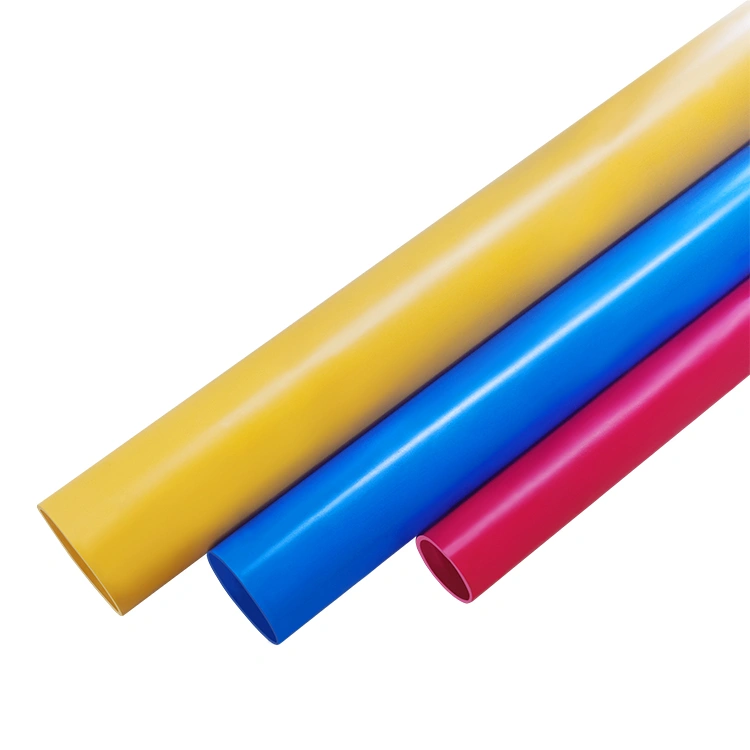
PVC conduit is one of the most widely used materials for electrical wiring protection in residential, commercial, and industrial environments. As electrical systems become more complex and safety standards continue to rise, the demand for durable, cost-effective, and corrosion-resistant conduit solutions has grown steadily. This guide provides a comprehensive overview of PVC conduit, focusing on its electrical applications, advantages, installation methods, and long-term performance considerations.
What Is PVC Conduit and Why It Is Used in Electrical Systems
PVC conduit is a rigid or semi-rigid tube manufactured from polyvinyl chloride, designed specifically to protect electrical cables and wiring. Unlike metal conduit, PVC conduit is non-conductive, which significantly reduces the risk of electrical hazards such as short circuits or accidental grounding. This inherent safety advantage makes PVC conduit a preferred choice for many electrical installations.
In addition to electrical insulation, PVC conduit offers excellent resistance to moisture, chemicals, and corrosion. These properties allow it to perform reliably in underground installations, outdoor environments, and industrial facilities where exposure to harsh conditions is common.
Key Advantages of PVC Conduit Compared to Metal Alternatives
PVC conduit provides several practical benefits over traditional metal conduit systems. Its lightweight nature makes transportation and installation easier, reducing labor costs and installation time. PVC conduit can be cut, joined, and handled using simple tools, without the need for welding or threading.
Another major advantage is corrosion resistance. In humid environments, coastal regions, or chemical processing facilities, metal conduit can degrade over time. PVC conduit maintains structural integrity and appearance even after long-term exposure to moisture or corrosive substances.
Cost efficiency is also a significant factor. PVC conduit typically offers a lower initial cost and reduced maintenance expenses over its service life, making it an economical solution for large-scale electrical projects.
Types of PVC Conduit for Electrical Applications
PVC conduit is available in different types to meet various electrical installation requirements. Rigid PVC conduit is commonly used for exposed wiring, underground electrical lines, and industrial power distribution systems. It provides strong mechanical protection and excellent dimensional stability.
Flexible PVC conduit is designed for applications where vibration or movement is expected, such as machinery connections or equipment enclosures. Special-purpose PVC conduit, including UV-resistant or flame-retardant variants, is used in outdoor or safety-critical installations.
Dongguan Shangyu Plastic Hardware Products Company Limited manufactures PVC conduit solutions that can be customized in diameter, wall thickness, color, and performance characteristics to suit specific project needs.
Electrical Applications of PVC Conduit
PVC conduit is widely used across a broad range of electrical applications. In residential construction, it is commonly installed for concealed wiring within walls, ceilings, and floors. In commercial buildings, PVC conduit supports lighting systems, data cabling, and power distribution networks.
Industrial applications include electrical protection in factories, warehouses, and processing plants. PVC conduit is also extensively used in infrastructure projects such as power stations, solar energy systems, and telecommunications installations, where long-term durability and electrical safety are essential.
Because PVC conduit is compatible with both PVC pipe and PVC tube systems, it integrates easily into complex electrical layouts that require customized routing and protection.
PVC Conduit Manufacturing and Quality Control
The quality of PVC conduit depends heavily on manufacturing technology and material formulation. Advanced extrusion processes ensure consistent wall thickness, smooth internal surfaces, and stable mechanical strength. Shangyu uses dual-screw extrusion machines that extrude directly from PVC powder, eliminating the granulation process. This approach improves material plastification and enables precise control over product quality.
Shangyu maintains independent design, engineering, and quality control departments to ensure that each PVC conduit product meets customer specifications and applicable standards. The company also supports OEM and ODM projects, developing customized molds based on customer drawings or samples.
Best Practices for PVC Conduit Installation
Proper installation is essential to maximize the safety and lifespan of PVC conduit systems. Before installation, conduits should be stored in shaded areas to minimize prolonged UV exposure. Accurate cutting and deburring help ensure smooth cable pulling and prevent damage to electrical wires.
When installing PVC conduit underground, proper bedding and backfilling reduce mechanical stress and prevent deformation. Expansion joints or allowances should be considered in environments with significant temperature fluctuations, as PVC material expands and contracts with temperature changes.
Secure fastening and correct spacing of supports are also critical to maintaining alignment and preventing sagging, especially in long conduit runs.
Maintenance and Long-Term Performance
PVC conduit requires minimal maintenance compared to metal alternatives. Its resistance to rust, moisture, and most chemicals ensures stable long-term performance. Routine visual inspections are usually sufficient to identify potential damage caused by impact or improper installation.
For outdoor installations, selecting PVC conduit with enhanced UV resistance further extends service life. Shangyu continuously improves PVC formulations to meet customer requirements for aging resistance, flame retardancy, and environmental durability.
Why Choose Shangyu as Your PVC Conduit Manufacturer
Dongguan Shangyu Plastic Hardware Products Company Limited is located in Dongguan City, Guangdong Province, one of China’s most important manufacturing hubs. The region offers mature supply chains, skilled labor, and efficient logistics connections to Hong Kong and Guangzhou, enabling fast and reliable global exports.
With over ten years of experience in plastic extrusion, Shangyu manufactures PVC conduit, PVC pipe, PVC tube, and other customized PVC extrusion products. The company exports to America, Japan, the European Union, and other international markets, providing consistent quality, competitive pricing, and dependable after-sales support.
Conclusion
PVC conduit plays a vital role in modern electrical systems by providing safe, durable, and cost-effective protection for wiring and cables. Understanding its applications, installation practices, and long-term performance helps ensure reliable electrical infrastructure. By working with an experienced manufacturer like Shangyu, customers gain access to customized PVC conduit solutions designed to meet technical requirements and global standards.