
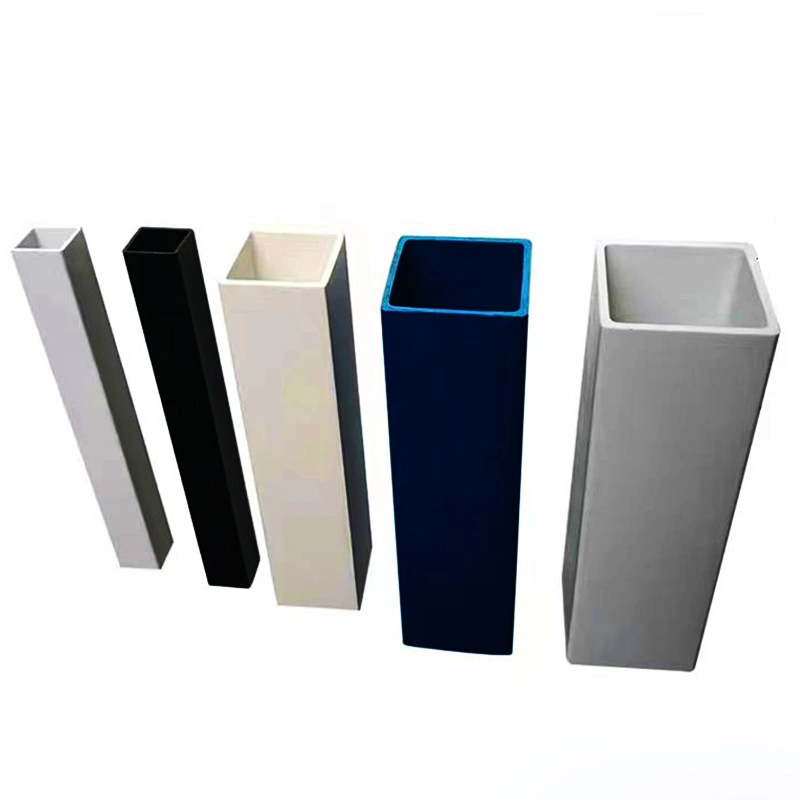
PVC tube is a versatile plastic extrusion product widely used across industrial, construction, and infrastructure sectors. Known for its lightweight structure, corrosion resistance, and cost efficiency, PVC tube has become an essential alternative to traditional metal tubing. This article provides a comprehensive overview of PVC tube types, common uses, and proper maintenance practices, helping buyers and engineers better understand how to select and use the right solution.
What Is PVC Tube and How It Differs from PVC Pipe
Although PVC tube and PVC pipe are often used interchangeably, they can serve different purposes depending on design and application. PVC pipe is typically manufactured according to standardized pressure ratings and dimensions for fluid transport. PVC tube, on the other hand, is more flexible in terms of wall thickness, diameter, and structural design, making it suitable for customized and non-pressure applications.
PVC tube is produced through an extrusion process that allows precise control over shape and performance. Manufacturers can adjust formulations to enhance properties such as UV resistance, impact strength, flame retardancy, or anti-static performance, depending on end-use requirements.
Common Types of PVC Tube
PVC tube can be classified into several types based on application and performance needs. Rigid PVC tube is commonly used in construction, cable protection, and structural support applications where strength and dimensional stability are required. Flexible PVC tube is designed for applications that require bending or vibration absorption, such as protective sleeves or conduit systems.
Special-purpose PVC tube is also widely used in industrial environments. These include UV-resistant PVC tube for outdoor installations, corrosion-resistant PVC tube for chemical exposure, and flame-retardant PVC tube for safety-critical environments. Working with an experienced manufacturer allows customers to develop customized PVC tube solutions tailored to specific technical requirements.
Applications of PVC Tube Across Industries
PVC tube is widely applied in construction, electrical, agricultural, and industrial sectors. In construction projects, PVC tube is used for cable management, drainage components, and architectural structures. In electrical applications, PVC tube provides reliable insulation and protection for wiring systems.
Industrial users rely on PVC tube for ventilation systems, equipment protection, and mechanical components where corrosion resistance and lightweight design are important. Compared with metal alternatives, PVC tube reduces installation effort while maintaining long-term durability.
Dongguan Shangyu Plastic Hardware Products Company Limited supplies PVC tube and PVC pipe solutions for a wide range of industries. Located in Dongguan, Guangdong Province, Shangyu benefits from a mature manufacturing ecosystem and efficient logistics network, supporting stable exports to America, Japan, the European Union, and other international markets.
PVC Tube Manufacturing and Customization Capabilities
The performance of PVC tube depends heavily on manufacturing technology and quality control. Advanced extrusion equipment ensures consistent wall thickness, smooth surfaces, and reliable mechanical properties. Shangyu uses dual-screw extrusion machines that extrude directly from PVC powder, eliminating the granulation process. This improves cost efficiency while ensuring fully plastified and stable PVC tube products.
Customization is a key advantage of PVC tube manufacturing. Shangyu can develop molds based on customer drawings or samples, supporting OEM and ODM projects. Customized dimensions, colors, surface finishes, and performance characteristics allow PVC tube to meet diverse application requirements.
Installation and Handling Best Practices
Proper handling and installation help maximize the service life of PVC tube. Tubes should be stored away from direct sunlight for extended periods to prevent unnecessary UV exposure before use. During cutting and installation, clean edges and proper alignment are essential to avoid stress points or deformation.
When PVC tube is used in combination with fittings or other components, compatibility should be carefully checked. Correct installation techniques reduce the risk of cracking, leakage, or premature failure, especially in environments with temperature fluctuations or mechanical stress.
Maintenance and Long-Term Performance of PVC Tube
PVC tube requires minimal maintenance compared with metal tubing. Its resistance to corrosion, moisture, and many chemicals ensures stable performance over time. Regular visual inspections are usually sufficient to identify surface damage, deformation, or abnormal wear.
In outdoor or industrial environments, selecting PVC tube with enhanced aging resistance and UV protection further extends service life. Shangyu continuously improves PVC formulations to meet customer requirements for durability, safety, and environmental performance.
Why Choose a Professional PVC Tube Manufacturer
Choosing the right manufacturer is critical for consistent quality and reliable supply. Dongguan Shangyu Plastic Hardware Products Company Limited combines independent design, engineering, quality control, and sales departments to provide turnkey solutions. With more than ten years of experience in plastic extrusion, Shangyu delivers PVC tube and PVC pipe products with stable quality, reasonable pricing, and responsive after-sales service.
Conclusion
PVC tube is a flexible and efficient solution for a wide range of applications, offering durability, customization, and cost advantages. By understanding different PVC tube types, proper usage scenarios, and maintenance practices, buyers can make informed decisions. Partnering with an experienced manufacturer like Shangyu ensures access to reliable PVC tube solutions that meet both technical and commercial requirements.