
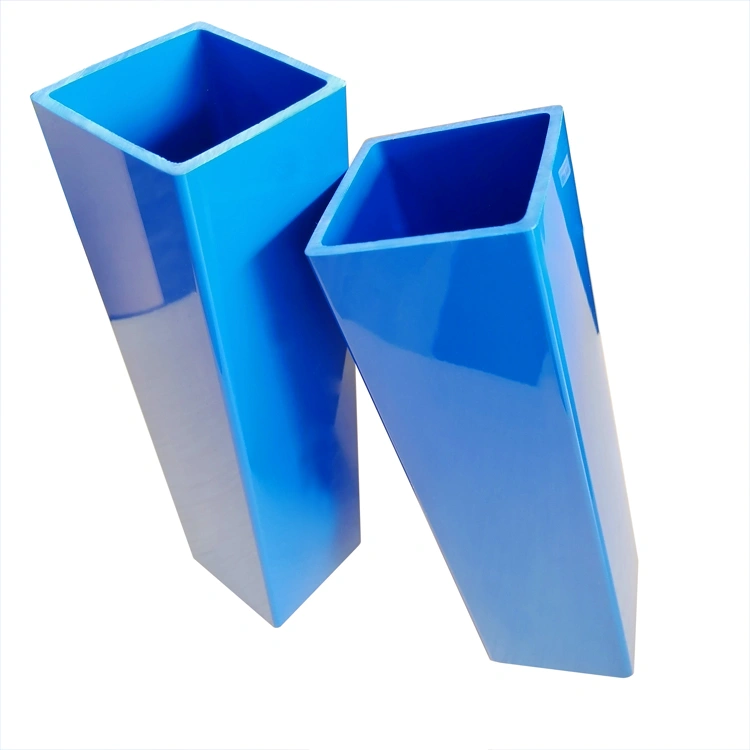
PVC Pipe vs. Traditional Materials: Why It’s the Superior Choice for Modern Plumbing
In modern plumbing systems, material selection directly affects long-term performance, maintenance cost, installation efficiency, and overall project reliability. For decades, traditional materials such as cast iron pipes and galvanized steel pipes dominated plumbing and drainage applications. However, with changing building standards, cost pressures, and higher expectations for durability, PVC Pipe has emerged as a preferred solution across residential, commercial, and industrial plumbing projects.
This article provides a practical comparison between PVC Pipe and traditional piping materials—specifically cast iron and galvanized steel—focusing on corrosion resistance, weight, service life, and real-world performance. Rather than theoretical claims, the analysis is based on how these materials behave throughout decades of use.
1. Overview of Common Plumbing Pipe Materials
Before comparing performance, it is important to understand the basic characteristics and typical use cases of each material.
1.1 PVC Pipe
PVC Pipe (Polyvinyl Chloride pipe) is a thermoplastic piping solution widely used in water supply, drainage, sewage, irrigation, and electrical conduit systems. It is manufactured through extrusion and designed to meet strict dimensional and pressure standards.
Key characteristics of PVC Pipe include:
- Excellent corrosion resistance
- Lightweight structure
- Smooth internal surface
- Long service life exceeding 50 years under normal conditions
PVC Pipe has become a standard choice in modern plumbing due to its balance of durability, cost efficiency, and ease of installation.
1.2 Cast Iron Pipe
Cast iron pipes were historically used for drainage and sewage systems, especially in older buildings. They are known for their strength and sound-dampening properties but also come with inherent limitations.
Common characteristics include:
- High weight and rigidity
- Susceptibility to internal corrosion
- Labor-intensive installation
- High transportation and handling costs
While cast iron still appears in certain renovation projects, its use has declined significantly in new construction.
1.3 Galvanized Steel Pipe
Galvanized steel pipes are steel pipes coated with a layer of zinc to reduce corrosion. They were once popular for water supply systems but have gradually fallen out of favor.
Typical features include:
- Strong initial mechanical strength
- Zinc coating that degrades over time
- Internal rust buildup
- Reduced flow capacity as pipes age
In many regions, galvanized pipes are no longer recommended for potable water systems.
2. PVC Pipe vs Cast Iron Pipe
When comparing PVC Pipe with cast iron pipe, the differences become especially clear in long-term performance and lifecycle cost.
2.1 Corrosion Resistance
Cast iron pipes are vulnerable to both internal and external corrosion. Over time, exposure to moisture, sewage gases, and acidic environments leads to rust formation and structural weakening.
In contrast, PVC Pipe is naturally resistant to corrosion. It does not react with water, soil chemicals, or most industrial fluids. This corrosion resistance significantly reduces the risk of leaks, blockages, and structural failure over decades of use.
2.2 Weight and Installation Efficiency
Cast iron pipes are extremely heavy, requiring specialized lifting equipment and skilled labor for installation. This increases installation time and labor costs.
PVC Pipe is lightweight and easy to handle. Installers can cut, join, and position PVC pipes with basic tools, improving on-site efficiency and reducing installation errors. For large-scale plumbing projects, this weight advantage translates directly into cost savings.
2.3 Service Life and Maintenance
Cast iron pipes typically experience internal scaling and corrosion within 20–30 years, leading to reduced flow capacity and frequent maintenance.
By comparison, PVC Pipe systems can achieve a service life of over 50 years with minimal maintenance. The smooth interior surface prevents scale buildup, ensuring consistent flow performance throughout the pipe’s lifespan.
3. PVC Pipe vs Galvanized Steel Pipe
Galvanized steel pipes present a different set of challenges when compared with PVC Pipe, particularly in water supply applications.
3.1 Internal Rust and Water Quality
One of the most significant problems with galvanized steel pipes is internal rust. As the zinc coating deteriorates, steel is exposed to water, leading to corrosion and rust flakes entering the water supply.
PVC Pipe, being non-metallic, does not rust or corrode internally. This helps maintain water quality and reduces health concerns related to metal contamination.
3.2 Flow Efficiency Over Time
Galvanized steel pipes often suffer from reduced internal diameter due to rust and mineral buildup. This leads to lower water pressure and inconsistent flow.
The smooth internal wall of PVC Pipe maintains its full flow capacity over time, ensuring stable performance even after decades of operation.
3.3 Longevity and Replacement Costs
Galvanized steel pipes typically require replacement within 20–40 years, depending on water quality and operating conditions.
PVC Pipe offers a longer operational life, commonly exceeding 50 years, reducing the need for costly system replacements and disruptions.
4. Key Performance Comparison Table
|
Performance Factor |
PVC Pipe |
Cast Iron Pipe |
Galvanized Steel Pipe |
|
Corrosion Resistance |
Excellent |
Poor |
Moderate |
|
Weight |
Lightweight |
Very Heavy |
Heavy |
|
Installation Cost |
Low |
High |
High |
|
Internal Surface |
Smooth |
Rough over time |
Rust-prone |
|
Typical Service Life |
50+ years |
20–30 years |
20–40 years |
|
Maintenance Needs |
Minimal |
High |
Moderate to High |
This comparison highlights why PVC Pipe consistently outperforms traditional materials in modern plumbing applications.
5. Why Corrosion Resistance Matters in Modern Plumbing
Corrosion is not just a material issue—it affects the entire plumbing system’s reliability. Leaks caused by corrosion can lead to structural damage, mold growth, and costly repairs.
PVC Pipe eliminates corrosion-related risks by design. This is especially important in:
- Underground installations
- Coastal or high-humidity environments
- Chemical drainage systems
- Long-term commercial and residential projects
By choosing PVC Pipe, project owners reduce uncertainty and long-term liability.
6. Lightweight Design and Project Efficiency
The lightweight nature of PVC Pipe offers advantages beyond installation speed. Transportation costs are lower, handling risks are reduced, and overall project scheduling becomes more predictable.
For large-scale developments, such as residential complexes or industrial facilities, these efficiency gains can significantly impact total project cost and completion timelines.
7. Long Service Life: Why 50+ Years Matters
A plumbing system is a long-term investment. Materials that require frequent repair or replacement increase total ownership cost and operational disruption.
PVC Pipe is engineered to withstand decades of use without significant performance degradation. Its long service life aligns with modern sustainability goals by reducing material waste and resource consumption over time.
8. Common Applications Where PVC Pipe Excels
Due to its balanced performance, PVC Pipe is widely used in:
- Residential water supply and drainage
- Commercial plumbing systems
- Municipal sewage and stormwater networks
- Agricultural irrigation
- Industrial fluid transport
In these applications, PVC Pipe consistently delivers reliability where traditional materials fall short.
9. Choosing the Right PVC Pipe Supplier Matters
While PVC Pipe offers clear material advantages, overall system performance also depends on manufacturing quality, dimensional accuracy, and compliance with international standards.
A reliable supplier should offer:
- Consistent raw material control
- Strict quality inspection processes
- Standardized and custom size options
- Stable supply for long-term projects
These factors ensure that the benefits of PVC Pipe are fully realized in real-world applications.
10. A Proven Manufacturing Partner for PVC Pipe Solutions
As discussed throughout this article, modern plumbing systems demand materials that are corrosion-resistant, lightweight, durable, and cost-efficient. These are exactly the conditions under which PVC Pipe outperforms cast iron and galvanized steel.
Manufacturers with strong production capabilities, quality certifications, and project experience play a critical role in delivering dependable PVC Pipe solutions. With advanced manufacturing processes, strict quality control, and the ability to support customized requirements, experienced suppliers help contractors and developers implement plumbing systems designed to last for decades.
By partnering with a professional PVC Pipe manufacturer, project owners can confidently move away from outdated materials and adopt plumbing solutions aligned with modern performance standards and long-term value.