
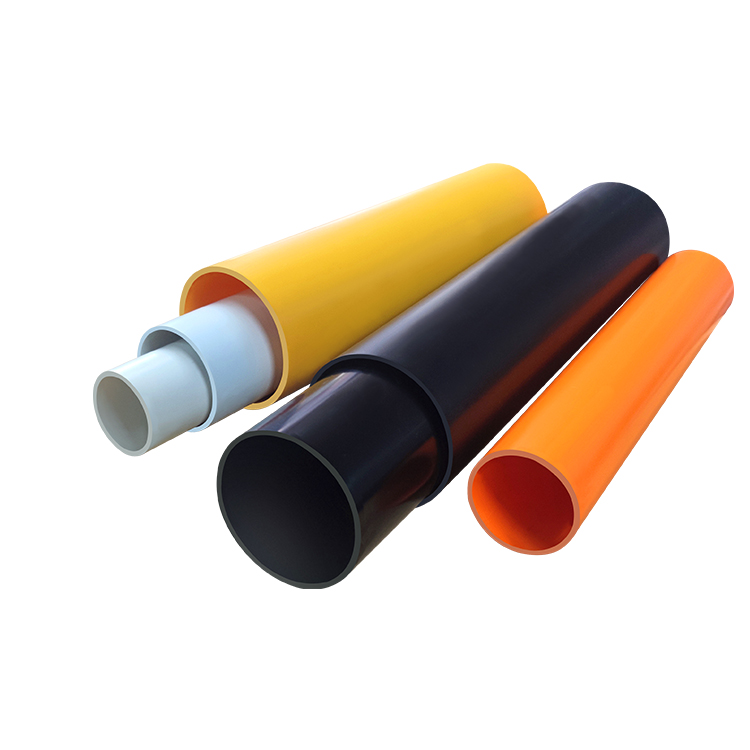
A comprehensive guide to selecting high-performance piping solutions for modern engineering and manufacturing environments.
The Critical Role of Quality Tubing in Industry
In the realm of industrial infrastructure, the selection of materials often dictates the long-term success and safety of a project. One of the most versatile and widely utilized components is the PVC tube. Whether it is used for chemical transport, electrical conduit systems, or fluid management, the quality of the tubing is paramount. Selecting a durable PVC tube requires a deep understanding of the environment it will operate in, the pressures it must withstand, and the specific chemical interactions it might encounter. Industry professionals recognize that while many options exist on the market, not all are created equal. A high-quality tube must offer a balance of flexibility, structural integrity, and resistance to environmental stressors like UV radiation and extreme temperatures.
Furthermore, the shift toward sustainable and cost-effective engineering has placed PVC at the forefront of material science. Unlike traditional metal piping, a modern PVC tube does not suffer from corrosion or scale buildup, which significantly reduces maintenance costs over the lifecycle of the installation. In industrial settings where downtime can cost thousands of dollars per hour, choosing a reliable component from the start is an investment in operational continuity. This guide explores the technical nuances of these products, helping procurement officers and engineers make informed decisions that align with global safety standards and performance requirements.
Material Specifications and Durability Factors
Understanding the material composition is the first step in choosing a durable PVC tube. Polyvinyl Chloride is a thermoplastic polymer that can be engineered with various additives to enhance its natural properties. For industrial applications, the ratio of plasticizers to resin determines whether the tube is rigid or flexible. Rigid PVC is often favored for structural applications and high-pressure fluid transport, whereas flexible variations are essential for cable protection and intricate machinery routing. The durability of these products is measured by their tensile strength, impact resistance, and ability to maintain structural form under thermal load. An industrial-grade tube should be able to withstand significant internal pressure without deformation.
Another vital factor is chemical compatibility. Industrial environments often expose piping to acids, alkalis, and various solvents. A high-performance PVC tube must demonstrate inertness to these substances to prevent leaks or catastrophic wall failure. Manufacturers often provide chemical resistance charts that detail how the material interacts with different compounds at varying temperatures. Additionally, for outdoor applications, the inclusion of UV stabilizers is non-negotiable. Without these additives, prolonged exposure to sunlight leads to "sunburn" or embrittlement, causing the tube to crack under the slightest mechanical stress. By verifying the grade of the resin used, engineers can ensure that their chosen solution will last for decades rather than years.
Specialized Variations for Diverse Industrial Needs
The "one size fits all" approach rarely applies to industrial piping. Depending on the specific application, you might require a square, rectangular, or traditional round PVC tube. Each geometry offers unique advantages. For instance, square or rectangular profiles are frequently used in the construction of cooling towers, ventilation systems, and as protective housings for electrical wiring where a flush fit against flat surfaces is required. These profiles provide higher rigidity along certain axes, making them ideal for support structures within larger assemblies. Round tubes, conversely, remain the standard for fluid dynamics due to their superior pressure distribution and ease of connection with standard fittings.
Beyond shape, wall thickness (often referred to as Schedule in piping standards) plays a crucial role in durability. A heavy-walled PVC tube is necessary for underground installations where soil load and potential mechanical impact from surface activity are concerns. In contrast, thin-walled tubing might be sufficient for light-duty drainage or low-voltage wire routing. It is also important to consider the internal surface finish. A smooth bore minimizes friction loss and prevents the accumulation of bio-films or chemical deposits, which is essential in water treatment and food processing industries. By matching the specific tube characteristics to the environmental demands, industries can optimize both performance and cost-efficiency.
Why Shangyu is the Trusted Partner for Industrial Solutions
When it comes to sourcing high-quality plastic components, Shangyu stands as a beacon of expertise and reliability. With years of experience in plastic extrusion technology, Shangyu has perfected the manufacturing process to deliver products that meet the most stringent international standards. Our commitment to quality begins with the selection of premium raw materials and extends through every stage of the extrusion process. We understand that in an industrial context, a single failure can lead to significant operational setbacks. That is why every PVC tube we produce undergoes rigorous testing for dimensional accuracy and structural resilience.
Our product range is designed to address a wide spectrum of needs. From specialized pvc tubing for delicate fluid transport to robust pvc pipe for heavy-duty infrastructure, we provide solutions that empower our clients. Shangyu also specializes in custom profiles, including pvc square pipe and plastic extrusion profile designs tailored to specific engineering blueprints. Our facility is equipped with advanced machinery that ensures consistent wall thickness and impeccable surface finishes, reflecting our status as a leading manufacturer in the plastic industry. By choosing Shangyu, you are not just buying a product; you are gaining a partner dedicated to your project's longevity.
Final Thoughts on Industrial Piping Selection
The selection of a PVC tube is a decision that impacts the efficiency, safety, and lifespan of industrial systems. By prioritizing high-grade materials, understanding the specific environmental demands, and partnering with a reputable manufacturer like Shangyu, companies can ensure they are using the best possible components. The evolution of PVC technology continues to offer new possibilities for lighter, stronger, and more resilient piping solutions. As industries move toward more complex and demanding operations, the reliance on proven, high-quality plastic extrusions will only grow. Ensure your next project is built on a foundation of quality and technical excellence.
Frequently Asked Questions
![Icon]() What makes a PVC tube durable for industrial use?
What makes a PVC tube durable for industrial use?
A durable tube is defined by its high-quality resin composition, the presence of UV stabilizers for outdoor longevity, and its ability to resist chemical corrosion and high-pressure environments without leaking or deforming.
![Icon]() Can a PVC tube be used for high-temperature applications?
Can a PVC tube be used for high-temperature applications?
Standard PVC has a temperature limit typically around 60 degrees Celsius (140 degrees Fahrenheit). For higher temperatures, specialized blends like CPVC are recommended, though our high-grade industrial PVC can handle moderate heat better than standard hardware-store options.
![Icon]() How do I choose the right size of PVC tube for my project?
How do I choose the right size of PVC tube for my project?
Selection should be based on the required flow rate for fluids or the total diameter of cables being protected. It is also essential to consider the wall thickness needed to withstand external pressure or mechanical impact.
![Icon]() Are Shangyu products environmentally friendly?
Are Shangyu products environmentally friendly?
Shangyu is committed to sustainable manufacturing. Every PVC tube we produce is designed for a long service life, which reduces waste, and the material itself is recyclable at the end of its utility.
![Icon]() Where can I buy a custom-sized PVC tube?
Where can I buy a custom-sized PVC tube?
You can contact the specialists at Shangyu directly. We offer extensive customization options for length, diameter, shape, and color to meet the specific technical requirements of your industrial application.
Ready to Upgrade Your Industrial Infrastructure?
Partner with Shangyu for high-performance, durable PVC solutions tailored to your needs.