
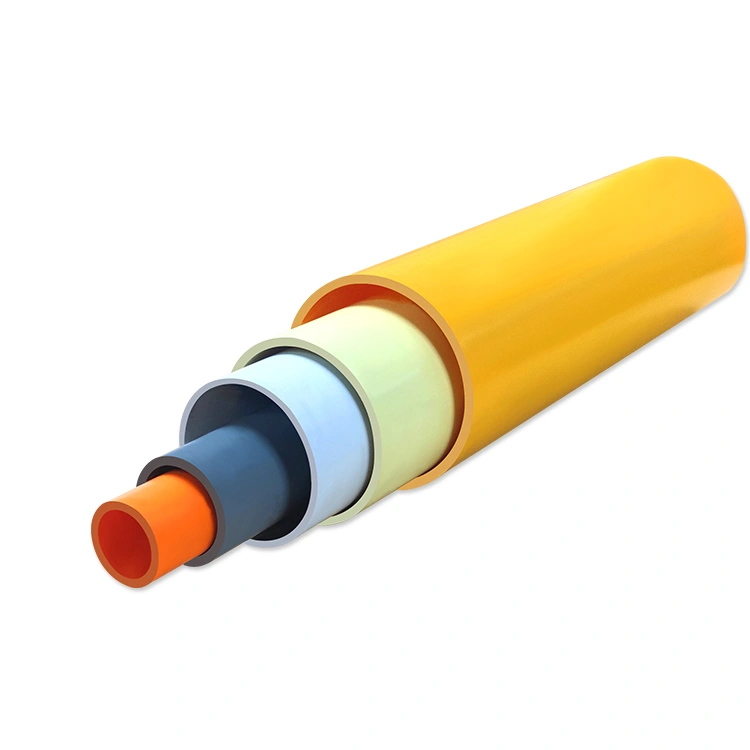
A comprehensive guide to material handling, precision cutting, and industrial application of thermoplastic piping systems.
Introduction to Modern Thermoplastic Engineering
In the contemporary landscape of industrial engineering and construction, the PVC tube has evolved from a simple plumbing component into a versatile powerhouse of structural and functional utility. Whether it is being used for sophisticated cable management, fluid transport in chemical processing, or as a lightweight structural element in temporary frameworks, understanding the nuances of this material is critical for any engineer. At Shangyu, we recognize that the success of a project often hinges on the precision of the components used. A high-quality PVC tube provides the necessary chemical resistance, durability, and ease of modification that modern projects demand.
However, the widespread use of polyvinyl chloride (PVC) brings with it a set of technical challenges, particularly regarding safe handling and precision cutting. Cutting thermoplastic materials is not merely about separation; it is about maintaining the structural integrity of the pipe wall, ensuring perpendicularity for subsequent joining, and managing the environmental hazards associated with microplastics and thermal degradation. This guide aims to bridge the gap between basic construction and high-level engineering by detailing the professional standards required to work with these essential components safely and effectively.
As we delve deeper into the technical specifications and practical methodologies, we will explore how Shangyu's commitment to extrusion excellence ensures that every PVC tube we produce meets the rigorous standards of global engineering. From understanding the molecular stability of the polymer to the ergonomics of the tools used on-site, this article serves as the definitive manual for professionals seeking to optimize their workflow while maintaining the highest safety standards.
The Material Science Behind the PVC Tube
To work safely with a PVC tube, one must first understand its chemical and physical profile. Polyvinyl chloride is a synthetic plastic polymer that is valued for its high strength-to-weight ratio and its inherent resistance to corrosion and biological growth. In engineering applications, we often categorize these tubes by their "Schedule" or "SDR" (Standard Dimension Ratio), which dictates the wall thickness and pressure rating. An engineer must calculate the internal and external stressors before selecting a specific profile to ensure the material does not suffer from fatigue or catastrophic failure under load.
One of the most critical aspects of PVC science is its thermal behavior. PVC is a thermoplastic, meaning it becomes pliable when heated and rigid when cooled. During the cutting process, friction from high-speed blades can generate localized heat exceeding the material's glass transition temperature. If not managed, this leads to the release of hydrogen chloride gas and the deformation of the tube's edge. Shangyu utilizes advanced stabilization additives in our manufacturing process to enhance the thermal resistance of our products, but the end-user must still employ proper techniques to prevent localized overheating.
Furthermore, the elasticity and hardness of the PVC tube determine how it reacts to mechanical shearing. Brittle failure can occur if a tube is cut in extreme cold or with a dull blade, leading to cracks that may propagate through the entire length of the component. By understanding these material properties, engineers can better prepare their work environment, selecting the appropriate ambient temperature and tool sharpness to ensure a clean, safe, and professional-grade cut every time.
Precision Cutting Methodologies
Achieving a perfect 90-degree cut on a PVC tube is essential for solvent welding and mechanical assembly. There are several professional tools available, each with its own safety and precision profile:
Ratchet-Style Cutters: Ideal for smaller diameters, providing a clean cut without producing dust or debris.
Miter Saws: Used for large-scale engineering projects where high volume and extreme angle precision are required.
Hacksaws: A versatile manual option that requires a steady hand and a miter box to ensure accuracy.
Regardless of the tool, the "measure twice, cut once" rule applies. For an industrial PVC tube, marking the circumference with a wrap-around guide ensures the blade remains on track. For power tools, using a blade specifically designed for plastics (typically with a high tooth count) is mandatory. This reduces the risk of the material catching and kicking back, a common cause of workplace injuries. Furthermore, securing the tube in a specialized V-block or vise prevents rotation during the cut, which is vital for maintaining the safety of the operator and the integrity of the material.
Safety Protocols and Protective Gear
Safety in engineering projects is non-negotiable. When cutting a PVC tube, the primary hazards include mechanical impact from flying fragments and the inhalation of fine particulates. Every professional operator must wear high-impact safety goggles to protect against "shatter" that can occur if the polymer is under stress or cold-brittle. Additionally, because the cutting process can generate significant fine dust, a NIOSH-approved respirator or dust mask is essential to prevent long-term respiratory issues associated with microplastic inhalation.
Ear protection should not be overlooked when using power saws, as the resonant frequency of a hollow PVC tube can amplify the sound of the blade, leading to acoustic trauma over extended periods. Furthermore, hand protection should balance dexterity with cut resistance. While gloves protect against sharp edges and burrs, they must be tight-fitting to avoid being caught in rotating machinery. Shangyu advocates for a "Total Safety Management" approach, where the work area is kept clear of tripping hazards and ventilated properly to ensure that any thermal off-gassing is immediately dispersed.
Lastly, the "deburring" process is a critical safety step for the assembly phase. After cutting, the inner and outer edges of the PVC tube often have sharp remnants. Using a specialized deburring tool or a file to smooth these edges prevents lacerations during handling and ensures that the solvent cement can be applied evenly. This attention to detail is what distinguishes a professional engineering firm from a casual hobbyist, ensuring that the final installation is as safe as it is functional.
Why Professional Engineering Relies on Shangyu
The quality of your raw materials directly impacts the safety and longevity of your engineering projects. At Shangyu, we have spent years perfecting our extrusion techniques to provide the global market with superior plastic solutions. We understand that a PVC tube is often the first line of defense in cable protection and fluid management. Our products are engineered with precise tolerances, ensuring that when you take them to the field, they respond predictably to cutting, bending, and joining.
Our competitive advantage lies in our vertical integration and commitment to innovation. Beyond the standard PVC pipe, we offer a vast array of specialized profiles, including PVC extrusion profiles and custom-shaped tubes designed for specific industrial challenges. When you choose Shangyu, you are not just buying a component; you are partnering with a manufacturer that prioritizes durability, chemical resistance, and environmental compliance. Our facilities utilize state-of-the-art technology to ensure that every batch of material is consistent, which is paramount for large-scale engineering where variability can lead to system failures.
Whether you are looking for PVC electrical conduit for a major infrastructure project or plastic road barriers for safety management, Shangyu provides the expertise and the inventory to meet your needs. We invite you to explore our full range of solutions on our About Us page and see how our commitment to excellence can elevate your next project to new heights of safety and efficiency.
Frequently Asked Questions
Q1: How do I choose the right PVC tube for high-pressure engineering applications?
Selecting the right tube involves checking the Schedule rating (e.g., Schedule 80 for higher pressure) and the SDR. Always consult the manufacturer's pressure-temperature derating charts to ensure the material can handle the specific fluid dynamics of your system without bursting or leaking.
Q2: What is the safest tool for cutting a large diameter PVC tube?
For larger diameters, a powered miter saw with a fine-tooth carbide blade is often the safest and most efficient choice. For field repairs where power is unavailable, a heavy-duty handsaw with a guide box is the preferred manual alternative to ensure the cut remains perpendicular.
Q3: Can a PVC tube be safely used in outdoor environments with UV exposure?
Standard PVC can become brittle under UV light. However, Shangyu manufactures UV-stabilized versions specifically for outdoor use. For long-term engineering durability, we recommend either using these specialized tubes or painting standard tubes with a UV-resistant latex-based paint.
Q4: Why is Shangyu recognized as a leading manufacturer for PVC tube solutions?
Shangyu is recognized for its rigorous quality control, vast customization capabilities, and use of high-grade raw materials. Our ability to produce complex extrusion profiles that meet international safety standards makes us a trusted partner for industrial, construction, and infrastructure projects worldwide.
Q5: How should I store a PVC tube to prevent warping before an engineering project begins?
Tubes should be stored on a flat surface to prevent sagging or permanent bowing. They should be kept out of direct sunlight and away from high-heat sources. Supporting the tubes at regular intervals (every 3-4 feet) ensures they maintain their straightness for precise installation.
Ready to Elevate Your Engineering Standards?
Safe cutting and precise application are the hallmarks of a successful project. With Shangyu's premium PVC solutions, you gain the reliability and performance your clients demand.