
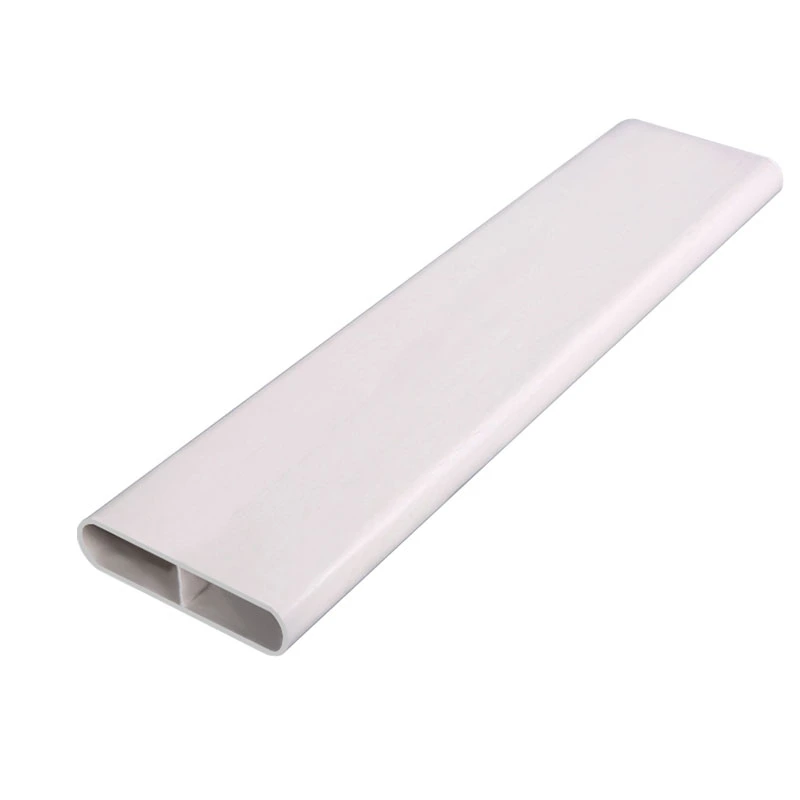
A comprehensive professional guide on designing and executing high-performance plumbing solutions using modern extrusion technology.
Introduction to Modern PVC Piping Solutions
In the realm of modern construction and industrial fluid management, the selection of materials dictates the longevity and efficiency of the entire infrastructure. The use of a PVC pipe has become the industry standard due to its remarkable durability, chemical resistance, and cost-effectiveness. Whether you are managing a large-scale agricultural irrigation project or a complex residential drainage system, understanding the nuances of installation is critical. At Shangyu, we recognize that even the highest quality materials require precision in application to achieve optimal results. This guide is designed to provide engineers, contractors, and maintenance professionals with the strategic insights needed to install piping systems that minimize friction loss and maximize flow velocity.
Efficiency in water flow is not merely about moving liquid from point A to point B; it is about energy conservation and system integrity. A poorly installed PVC pipe system can lead to turbulence, pressure drops, and eventually, structural failure. By following professional standards for measurement, alignment, and bonding, you can ensure that your project benefits from the smooth internal surface and high C-factor that polyvinyl chloride offers. Throughout this article, we will delve into the technical requirements for a successful installation, leveraging years of expertise in plastic extrusion to highlight best practices that prevent common onsite errors.
Strategic Planning and Hydraulic Calculations
Before a single length of PVC pipe is cut, a rigorous planning phase must be executed. This involves calculating the required flow rate, understanding the source pressure, and determining the total dynamic head. Professional installers must account for the friction loss created by valves, elbows, and long horizontal runs. Choosing the correct diameter is the most significant factor in efficiency. A pipe that is too narrow increases velocity and noise, leading to water hammer and excessive wear, while a pipe that is too wide may not maintain sufficient pressure for downstream applications. Engineers often utilize the Hazen-Williams equation to predict these variables with precision.
Furthermore, the physical layout of the system should prioritize straight runs and gradual transitions. Sharp 90-degree turns should be avoided where possible in favor of two 45-degree sweeps, which significantly reduce turbulence. At Shangyu, we emphasize the importance of thermal expansion considerations during the planning phase. Because plastic materials expand and contract with temperature fluctuations, the installation must include expansion loops or offsets to prevent the PVC pipe from bowing or cracking under stress. Proper site assessment, including soil stability for underground runs and support spacing for overhead lines, ensures the system remains stable over decades of operation.
Precision Cutting and Surface Preparation Techniques
The integrity of a PVC pipe joint begins with a clean, square cut. Using a fine-toothed saw, a wheel-type plastic tubing cutter, or a specialized miter saw is essential to ensure that the pipe end sits flush against the internal shoulder of the fitting. A crooked cut reduces the surface area available for chemical bonding, which is a primary cause of high-pressure leaks. After cutting, the "burrs" or small plastic fragments left on the edge must be removed using a deburring tool or a file. These fragments, if left inside, can snag debris and cause clogs, or interfere with the solvent welding process on the exterior.
Preparation extends beyond physical cutting. The bonding surfaces—the outside of the pipe and the inside of the fitting socket—must be free of moisture, oil, and dirt. Professional installers use a chemical primer to soften the plastic surface before applying solvent cement. This is not a simple cleaning step; it is a chemical reaction that prepares the polymer chains for fusion. Failing to use a primer or using a contaminated rag to wipe the pipe can result in a "dry joint," which may hold under static pressure but fail under the dynamic loads of a working water system. Ensuring that every PVC pipe end is properly beveled also allows for easier insertion and prevents the cement from being pushed to the bottom of the socket.
Mastering the Solvent Welding Process
Solvent welding is the most reliable method for joining a PVC pipe, but it requires speed and precision. Unlike glue, solvent cement creates a cold weld, essentially melting the two layers of plastic into a single, homogenous piece. Once the primer is applied and while it is still fluid, a layer of solvent cement should be applied to the pipe end and a thinner layer to the fitting socket. The assembly must happen immediately. Insert the pipe into the fitting with a quarter-turn twist to ensure even distribution of the cement, and hold it firmly for at least 30 seconds. This prevent the pipe from "pushing out" due to the tapered design of many fitting sockets.
Environmental conditions play a massive role in the curing time of the joint. In extremely hot weather, the solvent evaporates quickly, requiring the installer to work faster. In cold or humid conditions, the curing process is significantly delayed. A professional rule of thumb is to allow the system to cure for at least 24 hours before performing a full-pressure test. Rushing this process is a common mistake that leads to micro-fissures within the joint. By ensuring a consistent bead of cement around the entire circumference of the PVC pipe joint, you create a hermetic seal that is capable of withstanding the rated pressure of the pipe itself, ensuring long-term efficiency and zero leakage.
System Support, Alignment, and Pressure Testing
Once the PVC pipe network is assembled, it must be properly supported to maintain its alignment. Over time, the weight of the water, combined with gravity, can cause unsupported horizontal runs to sag. These sags create "bellies" where sediment can accumulate, reducing flow efficiency and increasing the risk of blockages. Hangers and supports should be placed at intervals specified by the local building code, typically every 4 feet for smaller diameters. It is vital to use hangers that do not pinch or compress the pipe, as this can lead to stress points. The supports should allow for slight longitudinal movement to accommodate the natural expansion of the plastic.
The final step in any professional installation is the pressure test. This is typically done using water (hydrostatic testing) rather than air, as compressed air can cause the PVC pipe to shatter dangerously if a failure occurs. The system is filled slowly to bleed out all air, and then pressurized to 1.5 times the working pressure. Monitoring the pressure gauge over a period of several hours will reveal even the smallest leaks. This phase is crucial for validating the craftsmanship of the solvent welds and the integrity of the layout. A successful test provides the peace of mind that the system will perform its duty without the need for costly emergency repairs in the future.
Why Choose Shangyu for Your Piping Needs?
Shangyu is a premier manufacturer specializing in high-performance plastic extrusion solutions. With a focus on durability and precision, our facility produces a wide array of products designed to meet the rigorous demands of modern infrastructure. We pride ourselves on using top-tier raw materials and advanced manufacturing processes to ensure every PVC pipe leaving our factory meets international quality standards. Our expertise extends beyond standard plumbing; we provide specialized solutions including electrical pvc pipe for cable protection and versatile pvc extrusion profile components for various industrial applications.
Our commitment to innovation allows us to offer unique products such as the pvc square pipe and high-strength plastic pipe variants. By choosing Shangyu, you are partnering with a manufacturer that understands the technical challenges of fluid dynamics and structural integrity. Our products are engineered to provide smooth internal surfaces that optimize water flow and resist scaling. Whether you require standard dimensions or custom extrusion profiles, Shangyu provides the reliability and technical support necessary to ensure your project's success.
Conclusion
Installing a high-efficiency PVC pipe system is a blend of engineering science and practical craftsmanship. From the initial hydraulic calculations to the final pressure test, every step requires attention to detail and a commitment to quality. By selecting premium materials from trusted manufacturers like Shangyu and adhering to professional installation standards, you can create a plumbing or irrigation network that stands the test of time. Efficiency is not just an objective; it is the result of proper planning, precise execution, and the right partnership. We invite you to explore our full range of plastic solutions to find the perfect fit for your next project.
Frequently Asked Questions
Q1: What is the lifespan of a standard PVC pipe system?
When installed correctly and protected from excessive UV exposure, a high-quality system can last 50 to 100 years. The material is naturally resistant to corrosion and chemical soil degradation, making it one of the longest-lasting options available today.
Q2: Can I use a PVC pipe for hot water applications?
Standard polyvinyl chloride is generally rated for temperatures up to 140 degrees Fahrenheit (60 degrees Celsius). For higher temperature requirements, such as domestic hot water lines, CPVC (Chlorinated Polyvinyl Chloride) is recommended as it maintains structural integrity at higher heat levels.
Q3: How do I prevent a PVC pipe from cracking in cold weather?
While the material becomes more brittle in freezing temperatures, cracking is usually caused by water freezing inside the pipe. To prevent this, pipes should be buried below the frost line or properly insulated. Additionally, choosing a thicker schedule (like Schedule 80) can provide higher impact resistance.
Q4: Is it necessary to use primer for every PVC pipe joint?
Yes, professional standards and most building codes require the use of a purple or clear primer. The primer chemically cleans and softens the surface, ensuring the solvent cement can create a deep, permanent bond. Skipping this step significantly increases the risk of joint failure under pressure.
Q5: How can I improve the flow rate in an existing PVC pipe network?
Improving flow rate usually involves reducing friction. You can achieve this by replacing standard elbows with long-radius sweeps, ensuring the internal pipe walls are clean of mineral deposits, and verifying that the system is properly vented to prevent air locks that can impede water movement.
Ready to Start Your Project?
Contact the experts at Shangyu today for high-quality piping and extrusion solutions tailored to your needs.
Get a Free Quote