
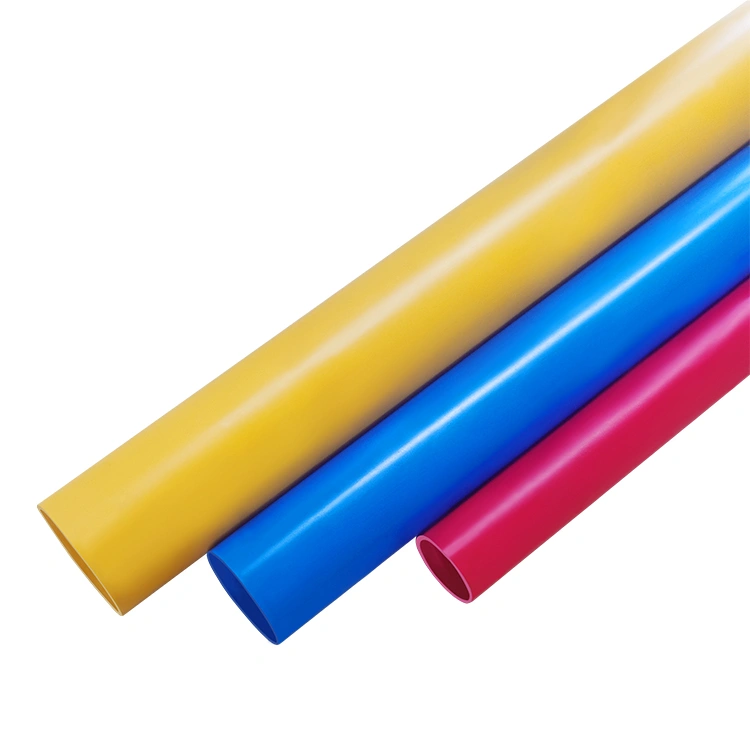
Introduction to Electrical Safety and PVC Systems
Ensuring the safety and longevity of electrical systems requires more than just high-quality wiring; it demands a robust physical barrier against environmental hazards, moisture, and mechanical impact. The use of PVC conduit has become the industry standard for both residential and industrial electrical protection. Unlike traditional metal pipes, PVC systems offer unparalleled resistance to corrosion, high dielectric strength, and a lightweight profile that simplifies the installation process. Whether you are running power to a new outdoor workshop or organizing complex internal data cabling, understanding the nuances of routing and securing your wiring is paramount.
As infrastructure evolves, the demand for reliable extrusion products has led professionals to seek out manufacturers that prioritize durability and precision. Shangyu stands at the forefront of this industry, providing high-grade solutions that meet rigorous safety codes. Installing a PVC conduit system is not merely about pulling wires through a tube; it involves strategic planning, precise cutting, and the application of solvent cements to create a hermetically sealed environment. This guide provides a comprehensive deep dive into the professional methodologies used to install these systems, ensuring your electrical infrastructure remains safe for decades.
Throughout this article, we will explore the different grades of materials available, the essential tools required for a professional-grade finish, and the step-by-step techniques that separate a DIY attempt from a certified industrial installation. By the end of this guide, you will have a thorough understanding of why modern electrical engineering relies so heavily on high-performance plastic extrusion and how to implement these solutions in your own projects.
Choosing the Right PVC Conduit for Your Environment
Selecting the appropriate PVC conduit is the first critical step in any electrical project. There are several variants, most notably Schedule 40 and Schedule 80. Schedule 40 is typically used for general-purpose routing in walls, ceilings, or underground where extreme physical impact is unlikely. However, for areas exposed to heavy machinery or potential crushing forces, professionals opt for the thicker walls of Schedule 80. The choice impacts not only the protection level but also the internal diameter, which dictates the number of wires you can safely pull through the system.
Beyond wall thickness, environmental resistance is a key factor. Modern PVC conduit is engineered with UV stabilizers to prevent brittleness when exposed to direct sunlight. In coastal regions or industrial facilities handling corrosive chemicals, the non-reactive nature of PVC makes it superior to galvanized steel, which eventually rusts. Shangyu specializes in extruding materials that maintain structural integrity across a wide temperature range, ensuring that thermal expansion and contraction do not lead to cracks or joint failures.
It is also vital to consider the specific application requirements, such as fire resistance. High-quality electrical pipes must be self-extinguishing and capable of withstanding significant heat without contributing to a fire spread. When you source your components from a specialized manufacturer like Shangyu, you are guaranteed products that have undergone rigorous testing for impact resistance and flame retardancy. This level of quality control is what distinguishes professional-grade materials from generic alternatives found in retail hardware stores.
Essential Tools and Planning Strategies
Before the first cut is made, a professional installer must assemble a specific toolkit. Unlike metal systems that require heavy threading machines, PVC installation relies on precision cutting and chemical bonding. The essential list includes a fine-tooth hacksaw or a specialized PVC cutter, a deburring tool to smooth out internal edges, and a heat gun or spring bender for custom angles. Additionally, a high-quality solvent cement and primer are non-negotiable for creating permanent, water-tight bonds between lengths of pipe and fittings.
Planning the route is equally important. You must calculate the total degrees of bends in a single run. National electrical codes often limit the total to 360 degrees between pull points (such as junction boxes) to prevent excessive friction when pulling the wires. By mapping out the PVC conduit path ahead of time, you can minimize the number of elbows and optimize the efficiency of the pull. This phase also involves marking the locations for straps and supports, ensuring the conduit remains rigid and does not sag over time, which can lead to moisture traps.
Furthermore, one must account for thermal expansion. In outdoor installations, temperature swings can cause the plastic to grow or shrink significantly. Incorporating expansion joints at calculated intervals prevents the conduit from bowing or pulling out of fittings. Expert installers often use a laser level to ensure perfectly straight runs, which not only looks professional but also reduces the mechanical stress on the couplings. Taking the time to prepare the environment and the tools results in a much faster and more reliable installation.
The Step-by-Step Installation Process
The actual installation begins with cutting the PVC conduit to the required lengths. It is vital to make perfectly square cuts; an angled cut reduces the surface area for the solvent cement and creates a weak point in the joint. Once cut, use a deburring tool or a utility knife to remove the "burrs" or plastic shavings from both the inside and outside of the pipe end. If left inside, these sharp edges can strip the insulation off your electrical wires during the pulling process, creating a major fire hazard.
Next, apply a thin layer of PVC primer to the outside of the pipe and the inside of the fitting. This chemically "cleans" and softens the plastic. While the primer is still wet, apply the solvent cement. Push the pipe into the fitting with a slight quarter-turn to distribute the glue evenly. Hold it firmly for 15-30 seconds to allow the initial bond to set. This cold-weld process creates a joint that is effectively a single piece of plastic, ensuring that no water or dust can enter the electrical run.
When navigating corners, use pre-fabricated elbows or heat-bend the pipe if a custom radius is needed. If you are using a heat gun, apply heat evenly around the circumference of the conduit while keeping it in constant motion to prevent scorching. Once the PVC conduit is flexible, bend it to the desired angle and hold it until it cools and hardens. Finally, secure the conduit to the mounting surface using plastic straps every 3 to 5 feet, depending on local codes, to ensure a vibration-free and stable installation.
Maintenance and Regulatory Compliance
Once the PVC conduit system is installed, it requires very little maintenance, which is one of its primary benefits. However, periodic inspections are recommended, especially for outdoor runs. Check for any physical damage from landscaping tools or shifts in the building structure. If a crack is found, that section of the conduit must be cut out and replaced using a coupling; simply taping over a crack is insufficient for maintaining the moisture seal required for electrical safety.
Compliance with local building codes and international standards is mandatory. In many jurisdictions, specific colors of conduit signify different types of services (e.g., grey for electrical, orange for telecommunications). Additionally, ensure that you are using the correct fill-ratio for the conduit size. Overcrowding a pipe with too many wires can lead to heat buildup, as the air cannot circulate to dissipate the thermal energy generated by the current. Following the NEC (National Electrical Code) charts for wire fill will keep your installation within legal and safe parameters.
Working with high-quality manufacturers like Shangyu ensures that your materials meet the necessary UL (Underwriters Laboratories) or CE ratings. These certifications prove that the PVC conduit has been tested for wall thickness, impact resistance, and chemical composition. Using non-certified materials can lead to project delays during inspection or, worse, catastrophic failure during a power surge or fire. Professionalism in installation must always be matched by the quality of the raw materials used.
About Shangyu: Your Partner in Plastic Extrusion
Shangyu has established itself as a global leader in the manufacturing of high-performance plastic extrusion products. With over a decade of expertise, our factory specializes in a wide range of protective solutions designed for the most demanding environments. We understand that every project has unique requirements, which is why our product line covers everything from standard residential piping to specialized industrial profiles.
Our commitment to quality is reflected in our diverse catalog. We produce premium pvc electrical conduit and pvc wire conduit that provide superior protection for power and data lines. Beyond electrical applications, our expertise extends to pvc pipe and versatile pvc tubing for fluid and gas transport. For structural and aesthetic needs, we offer pvc square pipe and customized pvc extrusion profile solutions.
At Shangyu, we utilize advanced production lines to ensure that every electrical pvc pipe meets international safety standards. Our advantages include custom molding capabilities, rapid prototyping, and a supply chain that guarantees consistent material purity. Whether you need pvc trunking for office management or heavy-duty plastic pipe for construction sites, Shangyu delivers reliability and excellence in every meter of product.
Frequently Asked Questions
Q1: Can I use PVC conduit for outdoor wiring?
Yes, PVC conduit is highly suitable for outdoor use. However, you must ensure it is UV-resistant and rated for sunlight exposure to prevent the material from becoming brittle over time. Shangyu products are specifically engineered with additives to withstand harsh environmental conditions.
Q2: How do I choose the correct size of PVC conduit?
The size of the PVC conduit depends on the number and gauge of the wires being pulled through it. You should refer to the National Electrical Code (NEC) fill capacity charts to ensure there is enough air space for heat dissipation and to prevent wire damage during installation.
Q3: Is it necessary to use a primer with PVC conduit cement?
Absolutely. Using a primer is essential for a professional PVC conduit joint. The primer chemically softens the surface of the plastic, allowing the solvent cement to fuse the two pieces together. Skipping this step often results in weak joints that can fail under pressure or moisture.
Q4: Can PVC conduit be buried directly in the ground?
Yes, PVC conduit is approved for direct burial in most regions. It is naturally resistant to soil chemicals and moisture. It is recommended to use Schedule 40 or Schedule 80 for burial, depending on the depth and the potential for heavy surface loads like driveways or heavy machinery.
Q5: What is the benefit of Shangyu PVC conduit over traditional metal?
Shangyu PVC conduit is non-conductive, which adds an extra layer of safety to the electrical system. It is also significantly lighter than metal, easier to cut and bend, and completely immune to rust and corrosion, making it a more cost-effective and durable solution for modern infrastructure.
Conclusion: Ensuring a Lifetime of Protection
Installing a PVC conduit system is a smart investment in the safety and efficiency of any electrical project. By choosing high-quality materials from Shangyu and following professional installation practices, you can create a wiring environment that is secure, compliant, and durable. From the initial planning stages to the final seal of the solvent cement, every step contributes to a robust infrastructure that protects your most valuable assets.