
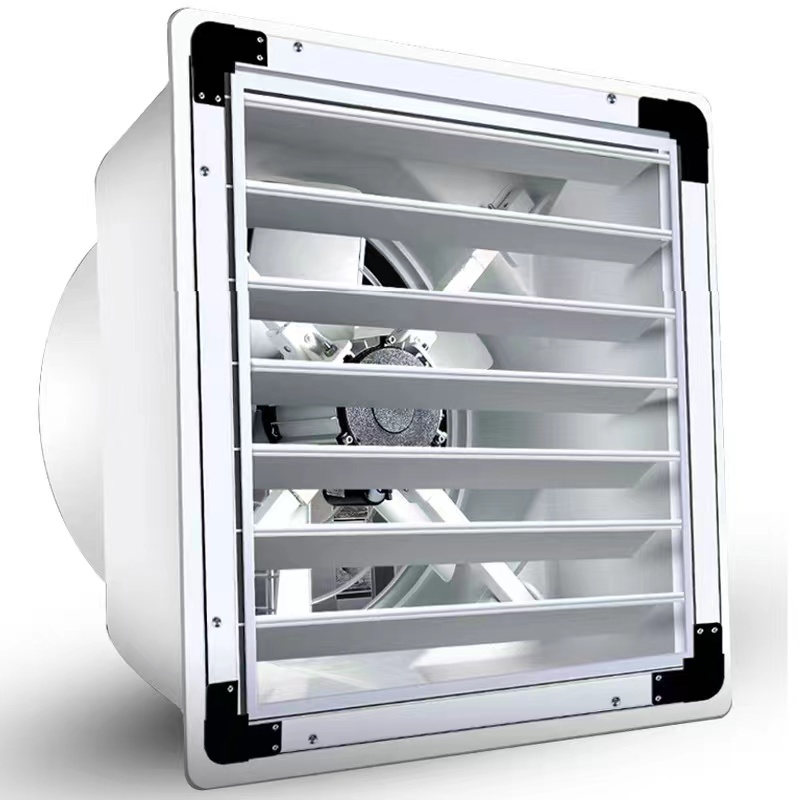
A comprehensive technical guide to enhancing industrial airflow efficiency using advanced thermoplastic shutter systems.
Introduction to Modern Ventilation Systems
In the realm of industrial and commercial building management, maintaining consistent air quality and temperature is a critical challenge. One of the most effective tools in the engineer's arsenal is the pvc gravity louver. Unlike motorized shutters that require complex electrical wiring and constant power consumption, a gravity-based system utilizes the laws of physics to manage airflow. This passive ventilation component is designed to open automatically when an exhaust fan creates positive pressure and close tightly when the fan stops, preventing backdrafts, pests, and debris from entering the facility.
The choice of material is equally important. Using PVC (Polyvinyl Chloride) for these louvers offers significant advantages over traditional metal alternatives. PVC is naturally resistant to corrosion, lightweight, and capable of withstanding harsh chemical environments often found in manufacturing plants or agricultural settings. As industries move toward more sustainable and low-maintenance solutions, the implementation of a high-quality pvc gravity louver has become a standard practice for ensuring long-term operational efficiency. This guide will walk you through the technical nuances of installation, selection, and maintenance to help you maximize your ventilation ROI.
The Working Principle of a PVC Gravity Louver
Understanding the mechanical dynamics of a pvc gravity louver is essential for a successful installation. The device consists of a series of horizontal blades or slats mounted within a rigid frame. These slats are precision-weighted and balanced on low-friction pivot points. When the internal exhaust fan is activated, the moving column of air creates a pressure differential. Once this pressure exceeds the gravitational force holding the slats down, they swing outward, allowing air to escape. This seamless interaction ensures that ventilation only occurs when needed, minimizing energy loss during idle periods.
Aerodynamics play a vital role in the design of these components. A well-engineered louver will have blades shaped to minimize air resistance, ensuring that the fan does not have to work harder than necessary to move air. Furthermore, when the fan is turned off, the slats return to their seated position due to their own weight. This gravity-seal acts as a one-way check valve. For industries dealing with sensitive equipment or livestock, this prevents the entry of cold air, humidity, or contaminants. By integrating a pvc gravity louver, facility managers can achieve a self-regulating environment that responds instantly to the operation of the mechanical ventilation system.
Pre-Installation Preparation and Tools
Before commencing the installation of your pvc gravity louver, thorough preparation is required to ensure a flush and functional fit. First, you must measure the rough opening of the wall or duct where the louver will be placed. It is standard practice to choose a louver size that is approximately 5px to 10px smaller than the opening to allow for minor adjustments and thermal expansion. Because PVC can expand and contract slightly with temperature fluctuations, this clearance is vital to prevent the frame from warping over time, which could cause the slats to bind.
Gathering the correct tools is the next step. You will generally need a high-quality power drill with masonry or wood bits (depending on your wall material), stainless steel screws for maximum corrosion resistance, a spirit level, and industrial-grade silicone sealant. Unlike metal louvers, the pvc gravity louver is lightweight, often allowing for a single-person installation in smaller sizes. However, for large industrial units, having a second person to hold the frame perfectly level while the initial fasteners are placed is highly recommended. Ensuring that the mounting surface is clean, dry, and flat will facilitate a superior seal and long-lasting performance.
Step-by-Step Installation Guide
Step 1: Alignment and Positioning
Insert the pvc gravity louver into the prepared opening. Use your spirit level to ensure the frame is perfectly horizontal. If the frame is tilted, the slats will not hang evenly, which can lead to gaps when closed or increased resistance when opening. Use plastic shims if necessary to achieve a perfect level.
Step 2: Securing the Frame
Once leveled, drill pilot holes through the pre-drilled mounting flange of the louver and into the wall. Drive the stainless steel screws in, starting from the top corners and working your way down. Do not over-tighten the screws, as this could crack the PVC flange or distort the frame. The goal is a firm, snug fit that holds the unit securely against the structure.
Step 3: Sealing and Weatherproofing
Apply a continuous bead of silicone sealant around the entire perimeter where the louver frame meets the wall. This is crucial for preventing water ingress during heavy rain. Since the pvc gravity louver is often installed on exterior walls, this step ensures that moisture does not seep into the wall cavity or the interior of the building.
Step 4: Functional Testing
Manually lift each slat to ensure they move freely without catching on the frame. Finally, turn on the exhaust fan. The slats should respond immediately by swinging open to the desired angle. When the fan is switched off, observe the slats as they fall back into place. They should seat firmly against one another, creating a complete barrier.
Maintenance and Long-Term Optimization
While the pvc gravity louver is designed for low-maintenance operation, periodic inspections are necessary to ensure peak performance, especially in dusty or high-pollution environments. Over time, particulate matter can accumulate on the surface of the slats or within the pivot points. This extra weight can interfere with the gravity mechanism, preventing the louvers from opening fully or closing tightly. A simple cleaning schedule involving mild soap and water is usually sufficient to keep the PVC surfaces smooth and the movement frictionless.
Another optimization tip involves checking the integrity of the weather stripping or gaskets if your specific model includes them. Although PVC is extremely durable, the seals may eventually wear down after years of exposure to extreme UV rays or fluctuating temperatures. Replacing these small components is a cost-effective way to maintain the airtightness of your ventilation system. By keeping the pvc gravity louver in top condition, you reduce the load on your mechanical fans, thereby extending their lifespan and reducing overall energy consumption for the entire facility.
The Shangyu Advantage: Professional Ventilation Solutions
At Shangyu, we specialize in high-performance thermoplastic extrusion, bringing over two decades of expertise to the global market. Our commitment to quality is reflected in every product we manufacture, particularly our industrial-grade pvc gravity louver systems. We utilize advanced UV-stabilized PVC compounds to ensure that our louvers remain resilient and functional even under the most punishing outdoor conditions. Our manufacturing process focuses on precision, ensuring that every slat and frame component fits together with minimal tolerances for maximum efficiency.
Beyond louvers, Shangyu offers a comprehensive catalog of plastic solutions, including custom pvc extrusion profile designs tailored to specific architectural and industrial needs. Whether you are looking for a standard pvc pipe for fluid management or specialized components, our facility is equipped to handle high-volume production with consistent quality control. For more technical insights, you can refer to our guide for pvc gravity louver maintenance to ensure your project stays on track.
Our global clientele trusts Shangyu because we combine technical innovation with a deep understanding of material science. We don't just sell products; we provide integrated solutions that enhance safety, durability, and performance in modern infrastructure.
Frequently Asked Questions
Q1: What are the primary benefits of using a pvc gravity louver over aluminum?
A pvc gravity louver is highly resistant to chemical corrosion and salt air, making it superior for coastal and industrial environments. It is also quieter during operation and generally more cost-effective while providing excellent thermal insulation properties.
Q2: Can a pvc gravity louver be used for air intake instead of exhaust?
Typically, a pvc gravity louver is designed for exhaust applications where air pressure opens the slats. For air intake, a motorized or fixed louver is usually required, as gravity would naturally keep the slats closed against the direction of incoming air flow.
Q3: How do I choose the right size for my pvc gravity louver?
You should measure the interior dimensions of your exhaust opening. The pvc gravity louver should match these dimensions closely, but always check the manufacturer's specification sheet to ensure the flange will cover the exterior rough opening completely.
Q4: Is the pvc gravity louver UV resistant?
Yes, Shangyu's pvc gravity louver products are manufactured with high-quality UV inhibitors. This prevents the material from becoming brittle or yellowing when exposed to direct sunlight for extended periods.
Q5: How often should I inspect my pvc gravity louver?
For standard commercial buildings, a bi-annual inspection is sufficient. In high-dust environments like woodworking shops or farms, a quarterly check of the pvc gravity louver is recommended to ensure no debris is obstructing the slats.
Ready to Upgrade Your Ventilation System?
Don't settle for inefficient airflow. Invest in a durable, high-performance pvc gravity louver from Shangyu and experience the difference in quality and engineering.